
Studying dentistry in Southeast Asia as an international student can mean a six-year English-taught DDS in Bangkok, a five-year BDS in Kuala Lumpur or Melaka, or a Doctor of Dental Medicine in Manila. This guide walks through those three countries: what each program asks of you, what the published fees look like, and how to think about licensing before you apply. Singapore has its own guide, linked further down.
Information last updated November 2026. Requirements and fees change from year to year, so the official page of each university or licensing board is always the final word. Conversions use roughly 33 baht and 4.1 ringgit to one U.S. dollar.
Who studying dentistry in Southeast Asia suits
Students who want a dental degree taught in English, in a lively regional hub, tend to feel at home here. Tuition is published in clear schedules, intakes are spread across the year, and the cities are well connected, which makes family visits and exchange semesters easier to plan. It also suits people who enjoy a city with serious food on every corner, because long study days are much easier with a good bowl of noodles nearby.
If you are still deciding whether dentistry is the right fit, our year-by-year look at dental school is a good companion read.
Thailand: the Mahidol International Dental School
Mahidol University’s Faculty of Dentistry, based in Bangkok, offers a Doctor of Dental Surgery (International Program). The faculty describes it as the first program in Thailand to teach undergraduate dentistry primarily in English, and it dates from 2014. The degree runs six years, two semesters each, for 222 credits. Teaching takes place across the Salaya campus, Mahidol University International College, the faculty in Bangkok and partner hospitals. The program is accredited by the Dental Council of Thailand and earned AUN-QA certification in 2024.
For admission, applicants need a high school qualification (or to be in the final year), and a TOEFL iBT score of 79 or IELTS Academic 6.5. The interview is in English and there is a dental aptitude test. The published weighting is interview 40 percent, academic record 30 percent, aptitude and skill tests 20 percent, and portfolio with statement of purpose 10 percent. The cohort is small, about 30 students, and the application window has recently opened from late November into early December. The faculty’s fee schedule lists a separate rate for non-Thai students, but eligibility details are worth confirming directly with the school.
The curriculum moves from basic biomedical science into clinical dental science, with learning in simulated and real clinical situations, OSCE assessments and a team-based research project in the fourth year. Graduates are prepared for practice in the public and private sectors, research or university teaching.
Malaysia: the five-year BDS
Malaysia’s dental degree is the five-year Bachelor of Dental Surgery, with pre-clinical teaching in the first two years and clinical work after that. Public universities such as Universiti Malaya, Universiti Sains Malaysia and Universiti Kebangsaan Malaysia train dentists, and several private institutions publish fee schedules for international students.
IMU University in Kuala Lumpur lists A-levels at BBB or ABC in biology, chemistry, and physics or mathematics, plus IELTS 6.5 with no band under 6.0. It has February and September intakes and a Foundation in Science route for students who need one. IMU also offers a partner pathway: about two and a half years in Kuala Lumpur, then the degree is completed at a partner school such as Otago, Dundee, Glasgow or Liverpool. Manipal University College Malaysia offers a five-year international BDS with an October intake. Its own page lists tuition of USD 20,000 a year, plus items such as books, housing and visa processing.
Early clinical exposure is a feature of the Malaysian programs. IMU, for example, describes clinical-environment contact from the first semester and patient treatment from the second year, supported by a dental skills centre and an oral health centre.
The Philippines: the Doctor of Dental Medicine
Dentistry in the Philippines leads to the Doctor of Dental Medicine, and schools such as Manila Central University describe a six-year program covering basic science, clinical science and dental public health. Instruction is generally in English. Each school sets its own entrance process, and international applicants are usually asked for authenticated documents, English proficiency and student visa paperwork. Fee schedules vary widely between schools, so the most reliable number is the one a college sends you in writing.
Costs at a glance
| Program | Length | Published tuition for international students |
|---|---|---|
| Mahidol DDS (International), Bangkok | 6 years | 750,000 baht per semester (about $22,700) |
| Manipal University College Malaysia, BDS | 5 years | USD 20,000 per year |
| IMU, first phase of partner pathway | 2.5 years in Kuala Lumpur | RM 65,550 per semester (about $16,000) |
| Philippine DMD programs | Commonly 6 years | Varies by school; request a written schedule |
Read those figures as snapshots. Mahidol’s schedule works out to about 1.5 million baht a year, and its on-campus dormitory is listed at 3,000 to 8,000 baht per semester, with off-campus rooms around 5,000 to 15,000 baht a month. Manipal lists housing at about USD 1,680 a year and a visa processing item of USD 800 in the first semester, with a renewal charge each year after.
Student life, visas and city choices
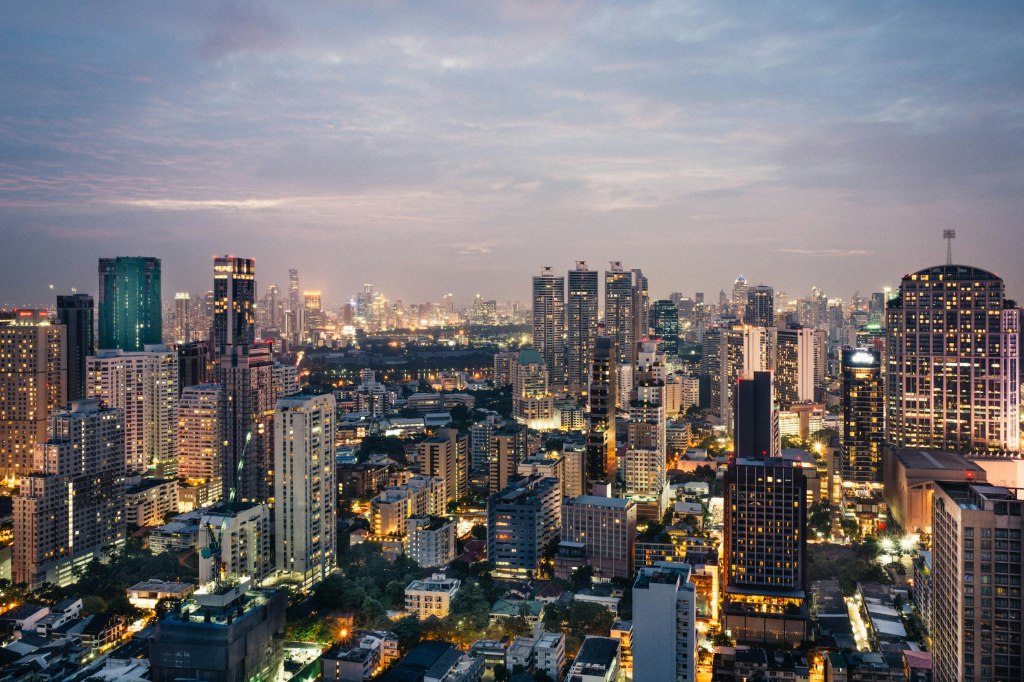
Most international students need a student visa, and universities usually issue the offer letter and guide you through the steps, though rules differ by nationality and change over time. A city can shape the experience as much as the curriculum. Bangkok rewards students who like riverside evenings and street food between lectures (our Bangkok guide covers the neighborhoods), while Kuala Lumpur pairs towers and hawker stalls with easy rail links (see our Kuala Lumpur city guide). If you are weighing a smaller, highly organized city-state as well, read our guide to studying dentistry in Singapore.
Licensing and career afterward
Each country regulates dentistry through its own council: the Dental Council of Thailand, the Malaysian Dental Council under the Dental Act 2018, and the Professional Regulation Commission in the Philippines. Malaysia’s council publishes the qualifications it recognizes and runs a Professional Qualifying Examination route for some foreign-trained graduates. In the Philippines, whether a foreign national may sit the board examination depends on reciprocity rules that can change. If you plan to practice in your home country, check its licensing board’s current rules for foreign degrees before you enroll, not after. Many graduates add experience at a hospital or clinic and later pursue a specialty.
Practical tips
- Apply early. Mahidol’s window is short, and private Malaysian intakes fill in step with their start dates.
- Prepare for the aptitude test and interview the way you would a studio exam: practice hand skills and rehearse answers in English.
- Ask each school for its latest written fee schedule, including equipment and lab-kit costs.
- Look for scholarship and bursary pages. Mahidol publishes scholarship categories for its DDS students, and several Malaysian universities list merit awards.
- Confirm recognition with the licensing board of the country where you hope to work.
This article is general information only, not medical, legal or immigration advice.
Pick the city where you can picture yourself on an ordinary Tuesday, with a train to catch and a lab bench waiting. The degree will feel lighter when the place already feels like yours.

