
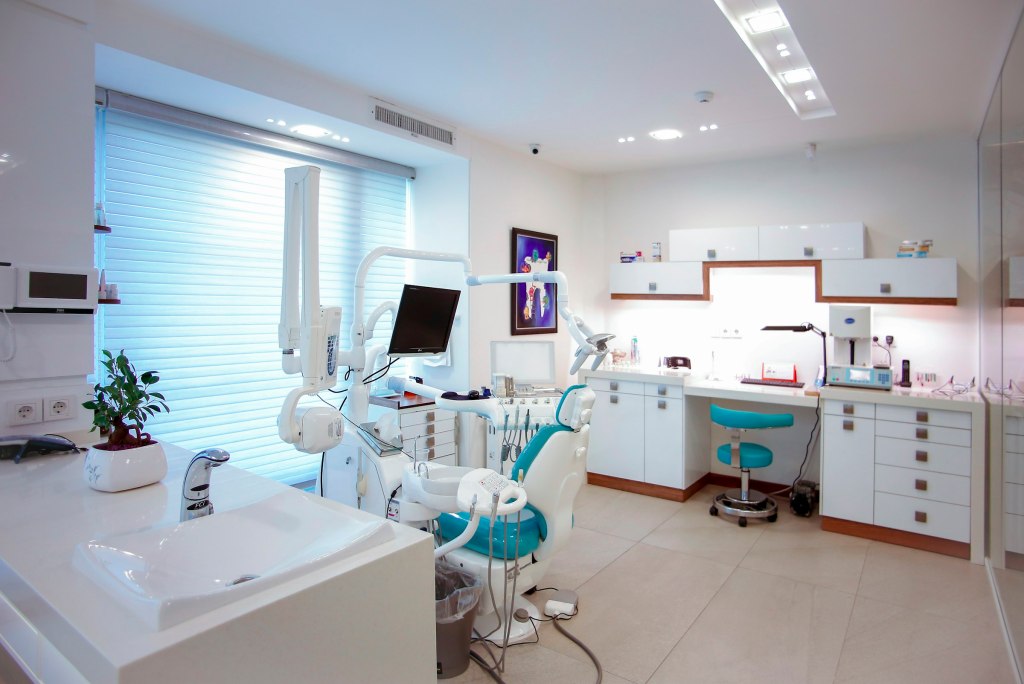
Studying dentistry at university is part science degree, part craft apprenticeship, and part lesson in how to talk with people who are nervous. This guide follows the journey year by year, from your first anatomy lecture to your first independent clinic sessions, so you know what the rhythm of the degree feels like before you begin.
Information last updated October 2026. Curricula, program lengths and assessment rules change, so your university’s official course page is the final word on how your own degree is arranged.
Studying dentistry at university: the degree at a glance
Structures differ around the world, but the shape is familiar. In the United States and Canada, dentistry is a four-year doctoral program (DDS or DMD) taken after a bachelor’s degree. In the United Kingdom, Ireland, much of Europe, the Middle East and Asia, it is usually an undergraduate degree of five or six years (BDS or similar) entered straight from school. Either way, the early years lean on the biomedical sciences and simulation, and the later years are built around real patients.
The American Dental Education Association describes the traditional pattern neatly: the first two years are preclinical, with a focus on the sciences and on practicing with models, and the last two are mainly clinical, with direct patient care under instructors. Our guides to getting into dental school in the US, studying dentistry in Türkiye and studying dentistry in Singapore show how this plays out in different systems.
Year one: the body, up close
Expect a lot of biology. First-year students typically study how the body’s organ systems work in health, plus oral biology and craniofacial anatomy, because everything that follows depends on that foundation. At King’s College London, for example, the first year includes body systems, oral biology, public health and evidence-based dentistry, with only a small share of time in clinical settings.
Many schools also introduce the simulation clinic early. At the University of Plymouth, first-year students meet the Simulated Dental Learning Environment and the clinic itself, and even work as dental nurses alongside senior students. It is a lovely way to see what the end of the degree looks like while you are still learning the names of the bones of the skull.
Tip for this year: build a study rhythm you can keep. Short, regular sessions with flash cards tend to beat marathon weekends, and the vocabulary is vast.
Year two: hands that learn
The second year is where many students feel the degree become their own. At the University at Buffalo, the year is described as largely about learning hands-on skills and basic procedures, alongside microbiology and general pathology. You practice on typodonts and phantom heads: carving, drilling and filling plastic teeth until the movements feel natural.
Communication joins the curriculum too. Plymouth describes supervised communication practice in the second year, with community clinical work and enquiry-based sessions alongside practicals. You might feel slightly nervous the first time a classmate sits in the chair for you. That nervousness fades, and what remains is calm, careful technique.
Tip for this year: protect your hand skills. Practicing for 20 minutes between classes, with good lighting and posture, builds muscle memory faster than occasional long sessions.
Year three: the clinic opens
Lectures ease and clinic time grows. Buffalo’s students spend three days a week in clinic, with the remaining days for classes and labs. King’s describes clinical activity rising to about 55 percent of the year in the third year of its five-year program, and many schools add medicine for dentists, so you learn how a patient’s overall health shapes safe treatment.
This is also when you meet your first real patients. Under supervision, you take histories, examine, plan and treat. You will learn that a warm greeting and a clear explanation are as important as the perfect cavity preparation.
Tip for this year: keep a small notebook of phrases that put patients at ease. Short, kind explanations are a clinical skill, and you can practice them every day.
Year four: growing responsibility
Fourth-year students typically manage more complex care. Plymouth places students in hospital outpatient clinics and specialist clinics, including restorative dentistry, oral surgery, maxillofacial surgery and orthodontics, while clinical days increase to around three a week. Buffalo’s fourth year adds elective choices across clinical, basic science and behavioral science courses, so you can explore the paths that appeal to you, or start leaning toward a specialty.
Assessment becomes more practical as well. King’s notes that competence-based simulation or clinical assessments must be passed before progressing to the next level, which keeps the focus on skills you can use in real appointments.
Year five and beyond: the final stretch
In five-year programs, the last year feels like a rehearsal for professional life. Plymouth’s final-year students spend about four days a week in a primary dental care clinic, presenting cases on diagnosis and treatment planning, learning to delegate to junior dental therapy and hygiene students, and preparing for Dental Foundation Year 1 and General Dental Council registration. King’s describes clinical placements making up roughly 62 percent of its final year.
Programs of six years add extra time for research, electives or deeper clinical rotations. Wherever you study, graduation usually leads to a licensing or registration step in the country where you plan to practice, and the exact rules depend on that country’s board.
A quick look at the shape of the degree
| Stage | Typical focus | What it feels like |
|---|---|---|
| Years 1 to 2 | Biomedical sciences, oral anatomy, simulation | Lectures, labs and plastic teeth; steady, structured learning |
| Years 3 to 4 | Patient care, medicine for dentists, specialty clinics | Several clinic days a week with supervisors close by |
| Final year | Primary care, case presentations, practice preparation | Independent-style clinics and planning for registration |
Student life and wellbeing
Dental students often describe a close-knit cohort: you share a clinic, a lab bench and a lot of late-night revision. Friendships formed over a shared set of instruments tend to last. Plan time for rest, movement and hobbies; a calm mind and steady hands go together. Many universities offer study skills support, peer mentoring and wellbeing services, and it is perfectly normal to use them.
Budget for instruments and materials, which many schools ask students to purchase in the early years, and for loupes later on. Ask your university what is supplied and what is recommended. If you are studying abroad, our guide to studying dentistry in the Middle East covers costs in another region.
Practical tips for the whole journey
- Learn the language of the mouth early: tooth numbering, surfaces and instrument names make every later year easier.
- Practice manual dexterity in small, regular sessions rather than rare marathons.
- Treat patient communication as a clinical skill and practice it as seriously as technique.
- Ask seniors for notes, tips and mock assessments; most are glad to help.
- Check registration requirements for the country where you hope to practice, ideally in your first year.
Dentistry rewards patience. Each year you will notice your hands steadier, your explanations clearer and your confidence quietly growing, until one day a patient thanks you for making the visit easier than expected.
This article is general information, not medical, legal or immigration advice.

