
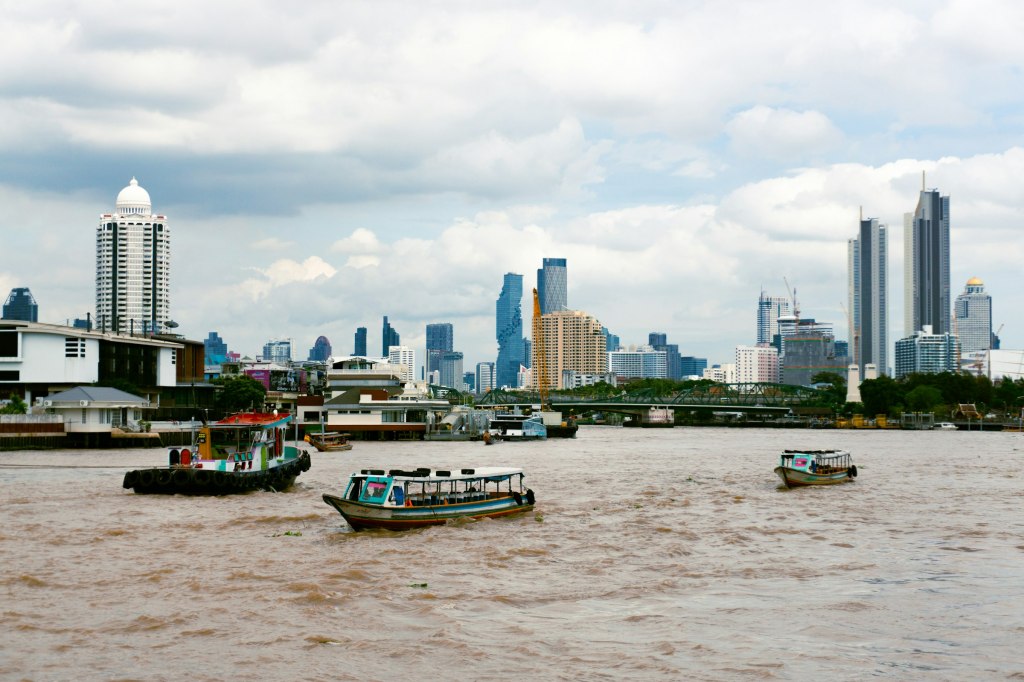
This Bangkok travel guide 2026 is for travelers who want the city at its best: a riverside room, a long morning among golden temples, a plate of noodles under a street lamp and a clear idea of what each of those things costs. You will find neighborhoods, hotel bands, local dishes, entry fees, transport fares and the practical details of getting in, all in baht with a dollar figure beside them.
Prices last updated October 2026. Rates move with the season and the exchange rate, and official sites have the final word. Dollar figures use about 34 baht to US$1, in line with the European Central Bank rates published on October 22, 2026.
Bangkok at a glance
- Currency: Thai baht (THB), about 34 per US dollar. Cards work in hotels and malls, and small change helps at markets.
- Language: Thai. English is common in hotels, malls and tourist areas.
- Plugs: types A, B, C, F and O (a universal adapter is the easy answer), 230V.
- Time zone: Indochina Time (UTC+7).
- Best months: November to February, when the air is drier and cooler. Hotel rates climb in this window.
- From Suvarnabhumi airport: Airport Rail Link to Phaya Thai, 45 baht (about $1.30), around 30 minutes. A metered taxi starts at 35 baht plus a 50 baht airport surcharge, usually 300 to 400 baht ($9 to $12) to central areas including tolls. The S1 bus to Khao San Road is about 60 baht.
When to go
November to February is the sweet season. Evenings are comfortable enough for a river dinner, and temple courtyards are pleasant by mid-morning. March to May is hot, and June to October brings green, rain-washed days with afternoon showers, which many residents consider the city’s softest light. Songkran, the water festival of April 13 to 15, turns the streets into a celebration.
Where to stay in Bangkok
Choose by mood. Bang Rak and the riverside are for grand old hotels and sunset boat rides. Sukhumvit, Thonglor and Asoke are polished and easy to reach by BTS. Silom and Sathorn mix office towers with temples and good dining. Banglamphu and Chinatown put you near the great temples and the best night eating. Siam is for malls and museums.
- Riverside grand hotels: the Mandarin Oriental (on the Chao Phraya in historic Bang Rak), The Peninsula Bangkok and the Four Seasons Hotel Bangkok at Chao Phraya River. Typical rates run about 12,000 to 30,000 baht ($350 to $890) a night, and the top suites go well beyond.
- City five-star: Banyan Tree Bangkok (home of the Vertigo rooftop), lebua at State Tower (Sky Bar) and Grand Hyatt Erawan (beside the Erawan Shrine). Five-star rooms start around 4,000 baht ($118), and the best addresses run 10,000 to 20,000 baht ($295 to $590).
- Mid-range: well-rated three- and four-star hotels in Sukhumvit, Silom, Sathorn and Asoke, typically 1,500 to 2,500 baht ($44 to $74), with some four-stars from about 2,000 baht in the quieter months.
- Budget: guesthouses and simple air-conditioned rooms around Khao San, Pratunam and Chinatown, about 600 to 1,200 baht ($18 to $35).
Hotel-specific rates vary by date, so use the figures as a guide. Rooms at mid-range and upscale hotels usually carry a 10 percent service charge and 7 percent VAT on top of the quoted rate.
Where to eat and drink
Bangkok’s food is the reason to come hungry. Street dishes cost 40 to 80 baht ($1.20 to $2.40) in residential areas and 100 to 180 baht ($3 to $5.30) near the main sights. A mall food court meal is 60 to 120 baht, a sit-down Thai restaurant 150 to 400 baht ($4.40 to $12), and a high-end dinner 800 to 2,500 baht or more ($24 to $74+). Coffee is 60 to 120 baht, and fresh juice 40 to 80.
- Yaowarat Road (Chinatown): go after dark for charcoal grills, noodles, desserts and seafood. T&K Seafood is a well-known address here.
- MBK Center food court (sixth floor): a cheerful, inexpensive way to sample many dishes in one sitting.
- Tep Bar (Soi Nana): Thai herbal spirits with live traditional music.
- Sky Bar at lebua: skyline cocktails from about 600 baht ($18), with Vertigo at Banyan Tree a similar minimum spend of 600 to 800 baht.
For a longer evening, our guide to fine dining in Bangkok covers six tables, from Sorn and Sühring to Gaggan and Bo.lan. Our note on Lebanese restaurants in Bangkok is useful when you want a change of pace.
What to see, and what it costs
- Grand Palace and Wat Phra Kaew: 500 baht ($15), open daily about 8:30 a.m. to 3:30 p.m. Cover shoulders, knees and ankles. Sarongs and trousers can be rented at the gate.
- Wat Pho (Reclining Buddha): 300 baht ($9), open 8 a.m. to 6:30 p.m.
- Wat Arun: about 100 to 200 baht ($3 to $6), reached by a 4 to 5 baht ferry from Tha Tien Pier.
- Jim Thompson House: around 200 baht ($6), visited on a guided tour. See our story on the Jim Thompson House and Thai silk.
- Chatuchak Weekend Market, Lumphini Park, Erawan Shrine: free to enter.
- Mahanakhon Sky Walk: roughly 1,000 baht ($30).
- Traditional Thai massage: about 200 to 400 baht an hour ($6 to $12). Read what nuad Thai involves before your first session.
Markets, parks and slower hours
Chatuchak Weekend Market has around 15,000 stalls and is best explored in the morning with cash in hand. Pak Khlong Talat, the flower market, is open around the clock, and orchids can cost as little as 40 baht a box. Asiatique, the riverside night market, runs a free shuttle boat from Sathorn Pier. For quiet, head to Lumphini Park or Benjakitti Forest Park, both free, or ride a Saen Saep canal boat for 10 to 20 baht and watch the city slide past at eye level.
Three days in Bangkok
Day one, the old city. Arrive at the Grand Palace at opening. Walk to Wat Pho, then ferry across to Wat Arun and have lunch on the water. Late afternoon on a Chao Phraya boat, and Yaowarat for dinner.
Day two, silk and Siam. Jim Thompson House in the morning, a browse through the Siam malls (our guide to Thai designers helps) and a rooftop drink at sunset.
Day three, markets and a slower pace. Chatuchak on a weekend morning, a Thai massage in the afternoon and a long dinner in Thonglor or Silom. With a spare day, take a train or tour to Ayutthaya. Day tours run about 1,200 to 2,500 baht ($35 to $74).
Getting around
The BTS Skytrain and MRT handle most of the city. BTS fares run 17 to 65 baht ($0.50 to $1.90) by distance, and the MRT Blue Line 17 to 45 baht. A Rabbit card for the BTS costs 120 baht to issue, plus a minimum 100 baht top-up, and works on the green lines. On the MRT you can tap a contactless bank card. Changing between BTS and MRT means exiting and paying again, so budget 80 to 100 baht for a trip with an interchange. Stations run from about 5 a.m. to 1 a.m.
Boats are the scenic option: orange-flag Chao Phraya Express stops cost about 15 to 20 baht, the blue-flag tourist boat 60 baht one way or 200 baht for a day, and river ferries 4 to 5 baht. Metered taxis start at 35 baht, with short trips about 80 to 150 baht plus tolls. Grab shows the fare before you go, roughly 80 to 200 baht for a short ride. Always ask for the meter, or book through the app.
Practical tips for visitors
- Entry: visa-free stays for US and UK passport holders (and many others) are 30 days for tourism from September 15, 2026, with one 30-day extension possible for about 1,900 baht. The free Thailand Digital Arrival Card (TDAC) is completed online within 72 hours of arrival, on the official site only. A small arrival fee has been proposed but was not being collected in mid-October, so check before you fly.
- Temples: dress modestly and remove shoes where indicated.
- Tipping: optional. Many restaurants add a 10 percent service charge, and small change for porters and drivers is appreciated.
- SIM: a short-trip travel eSIM starts from about 350 baht ($10), and a 30-day prepaid data plan runs about $10 to $20.
- Heat: carry water, use sunscreen and plan outdoor sights for the morning.
Bangkok price guide per person, per day
| Style | Per person, per day | What it looks like |
|---|---|---|
| Budget | 1,000 to 1,500 baht ($30 to $45) | Hostel or guesthouse, street food, BTS |
| Comfortable | 3,500 to 7,000 baht ($100 to $200) | Three- or four-star hotel, mixed dining, Grab rides, a tour |
| Luxury | 6,000 to 20,000+ baht ($175 to $590+) | Five-star hotel, fine dining, private guide |
Prices last updated October 2026. Rates vary with season, with the highest hotel prices from November to February, so treat these as guides and confirm on official sites.
Insider notes
- Step a block off Khao San Road. Food and drink prices there can be roughly half those on the main strip.
- Use the Chao Phraya boats as transport, not just sightseeing. A 15 baht ride beats any taxi for views.
- Arrive at palace and temples at opening, when the light is soft and the courtyards are calm.
- Planning your arrival? Read our guide to three ways into the city from Suvarnabhumi.

