
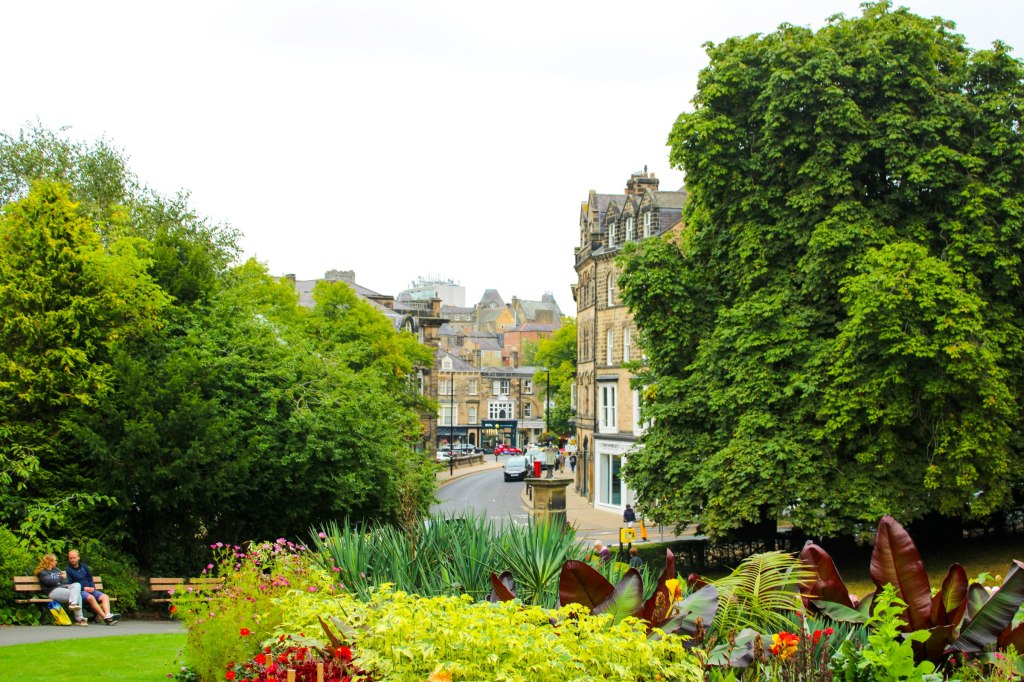
Harrogate built its name on water, and one Victorian room still does the same work. The Turkish Baths at the Royal Baths have been open since 1897, and they remain a working bathhouse in a Yorkshire spa town. This is a calm look at the Harrogate Turkish Baths, what a visit feels like and what research on heat and rest suggests.
A short history of the Harrogate Turkish Baths
The Royal Baths were declared open by the Duke of Cambridge on 23 July 1897. They were built on the site of the older Montpellier Baths as the centerpiece of a town that wanted to be Britain’s spa. The hydrotherapy side closed in 1969, yet the Turkish baths carried on. Only a handful of Victorian Turkish baths survive in Britain, and Harrogate’s is among the best preserved, with glazed brickwork in soft tints, a plunge pool and a mosaic floor.
The building stands on Parliament Street, close to the Royal Pump Room Museum, which was built in 1842 around the old sulfur well, and to the Valley Gardens.
What a visit usually involves
A Turkish bath moves you through rooms of rising warmth, then lets you cool. Think of a warm room, a hotter one, a hotter one still, a plunge or shower, and then a long rest in a quiet relaxation room. Sessions are meant to be slow. Staff are on hand to explain the sequence for first-timers, and many guests add a treatment from the spa menu. Session types and opening hours vary, so check the schedule and book ahead.
What the research suggests
Studies of sauna and heat bathing, mostly observational and mostly from Finland, link regular sessions with feelings of relaxation and with some cardiovascular markers. Observational research can’t prove cause, though, and a Victorian steam room isn’t the same as a Finnish sauna. Warm baths may ease muscle tension and help some people wind down in the evening. The honest summary is modest. Heat, quiet and an hour away from a screen tends to feel good, and the evidence for specific health benefits is still developing.
Gentle, practical tips
- Drink water before and after your session.
- Step out of the heat whenever you feel light-headed or simply done.
- People who are pregnant, or who have heart, blood pressure or other health conditions, are usually advised to talk with a clinician before using hot rooms.
- Save any drink with alcohol for later in the evening.
- Add a walk through the Valley Gardens afterward to let the body settle.
If thermal water interests you, our guide to Thermae Bath Spa covers Britain’s other great bathing tradition.
This article offers general information and is not medical advice. Please consult a qualified clinician about your own health.

