
A day in the life of a dentist is part science, part craftsmanship and part conversation, and this guide follows one working day from the first coffee to the last chart note so that students and young dentists can picture what the profession actually feels like.
Information last updated November 2026. Practice settings, schedules and regulations differ between countries and clinics, so treat this as a general picture and rely on your own university or licensing board for the details that apply to you.
A day in the life of a dentist at a glance
- Before patients arrive: a short team huddle, a schedule review and a check on laboratory cases.
- Mid-morning to afternoon: examinations, fillings, crowns, extractions, root canals and the conversations around them.
- After the last patient: notes, lab work, insurance paperwork and calls to colleagues.
- Throughout: small habits that protect posture, focus and energy.
The quiet hour before the first patient
Many dentists describe the start of the day as the calmest part of it. Some arrive early to read email and look over the schedule. Others use that time to stretch or practice yoga, which helps protect the back and settles the mind before hours of fine, close work.
The centerpiece is the morning huddle, a brief meeting with the team. Staff walk through who is coming in, which procedures are planned, whether anyone needs special attention, and where an emergency patient could be fitted in. Done well, it takes only a few minutes, and it means the dentist doesn’t have to study every chart from scratch before each appointment.
Laboratory cases get a check too. If a crown or an appliance is due back from the lab, the team confirms it has arrived and that materials are ready. Some dentists review the next day’s schedule the afternoon before, so the morning begins with a plan rather than a scramble.
In the treatment room
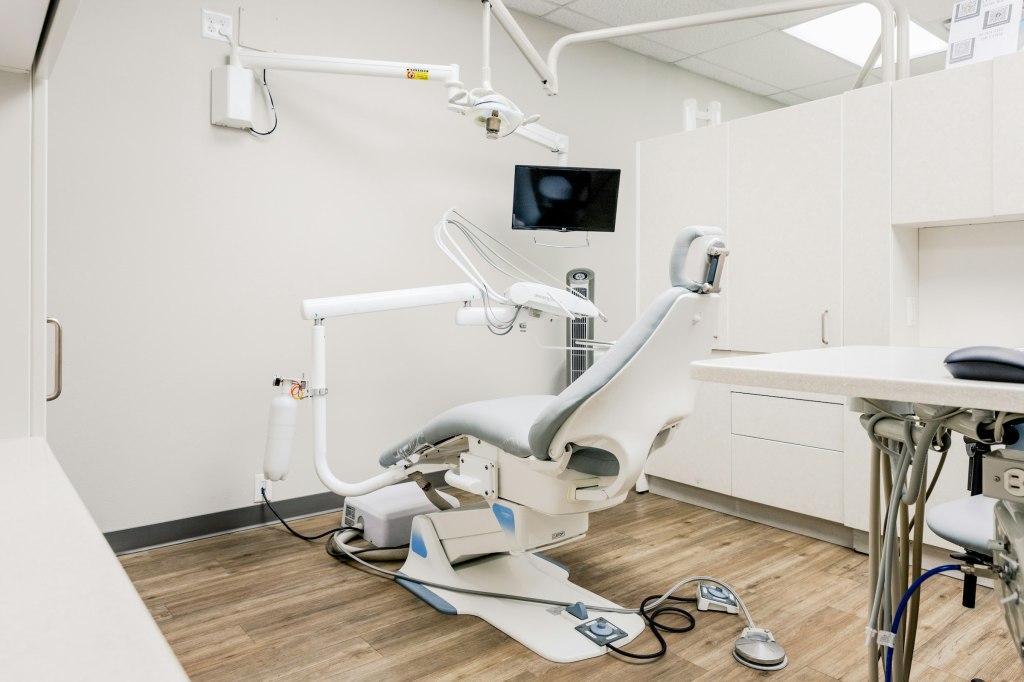
Appointments are usually staggered, and that rhythm is one of the quiet skills of the job. While a local anesthetic takes effect for one patient, the dentist can step next door to examine another. Between treatments there is time to talk, which matters more than newcomers expect.
The daily mix commonly includes fillings, extractions, crowns and root canals, along with routine examinations. A general dentist may refer an especially complex case to a specialist, and that handoff is a normal, respected part of good care. If you’re curious about the training behind all of this, our look at what dental students learn year by year follows the same road from the lecture hall to the clinic.
Explaining is as much a part of the work as drilling. A patient who understands what will happen, how it will feel and what recovery looks like tends to be calmer and more cooperative. Dentists who enjoy teaching and reassuring people often say this is the most rewarding part of the day.
The team around you
No dentist works alone. Hygienists, dental assistants and front-desk colleagues keep the room turning over, handle scheduling, prepare instruments and look after infection control. In a small general practice an office manager often takes on a great deal of the housekeeping too. Many dentists cross-train their teams so everyone can step in when the day shifts.
What a dentist does beyond the chair depends on the setting. An owner handles business decisions as well as patient care, an associate focuses mainly on clinical work, and a dentist employed in a clinic or hospital follows that organization’s routines. All of these are respected routes, and you can try several over a career.
Midday and the afternoon
There is usually a pause for lunch, ideally a proper one. Hydration, a short walk and a bit of rest are habits experienced dentists mention again and again, because the afternoon asks for the same steady hands as the morning.
Afternoons often follow the same pattern as mornings, with room left for emergencies. Dentists who set aside a few open slots tend to find the day flows more gently when someone calls with a sudden toothache.
Skills that make the day flow
Technical skill is the visible part of the job, but the habits underneath are what make a day feel smooth. Good dentists plan their time so that a long procedure never crowds out a short one. They keep instruments and materials organized so that nothing interrupts the rhythm of treatment. They listen first, then explain, and they write clear notes that the next person can follow without a phone call.
Patience matters as well. Some patients arrive nervous, and a gentle pace, a clear description of each step and a quiet word of encouragement can change the whole appointment. Over the years, many dentists find that these small human touches become the part of the work they enjoy most, and the reason patients return and recommend them to family and friends.
Continuing education rounds out the picture. Dentistry keeps evolving, with new materials, digital tools and techniques arriving every year, so a typical working life includes courses, conferences and conversations with colleagues. Learning never really stops, which is part of what keeps the profession interesting.
After the last patient
Once the room is quiet, the finishing touches begin. Patient notes are reviewed and completed. Lab work is arranged, and in some practices the dentist handles small lab tasks personally. Insurance claims are checked before submission, and a few phone calls go to specialists about referrals or joint treatment plans.
This is also when many dentists reflect on the day: what went well, which patient needs a follow-up call, and what to prepare for tomorrow. A good evening routine, including sleep and a workout, is part of what keeps the craft sustainable for decades.
How to start preparing now
- Shadow a dentist if you can. Even a single day in a clinic changes how you read the profession.
- Build manual dexterity through hobbies such as drawing, sculpting, model building or instruments.
- Practice explaining ideas simply. Patient communication is a skill you can train anywhere.
- Learn the admissions steps early. Our guide to getting into dental school in the US is a helpful starting point, and every country has its own version.
- Look after your own back, eyes and sleep from the very start.
A career that rewards care
The most reassuring thing about this profession is how much of it is within your control. Careful preparation, steady hands, a warm manner and a good team can make every day a little better than the last. From a family practice to a hospital clinic or a studio of your own, the foundations are the same, and they begin long before your first white coat.
This article offers general information only. It is not medical, legal or immigration advice.

