
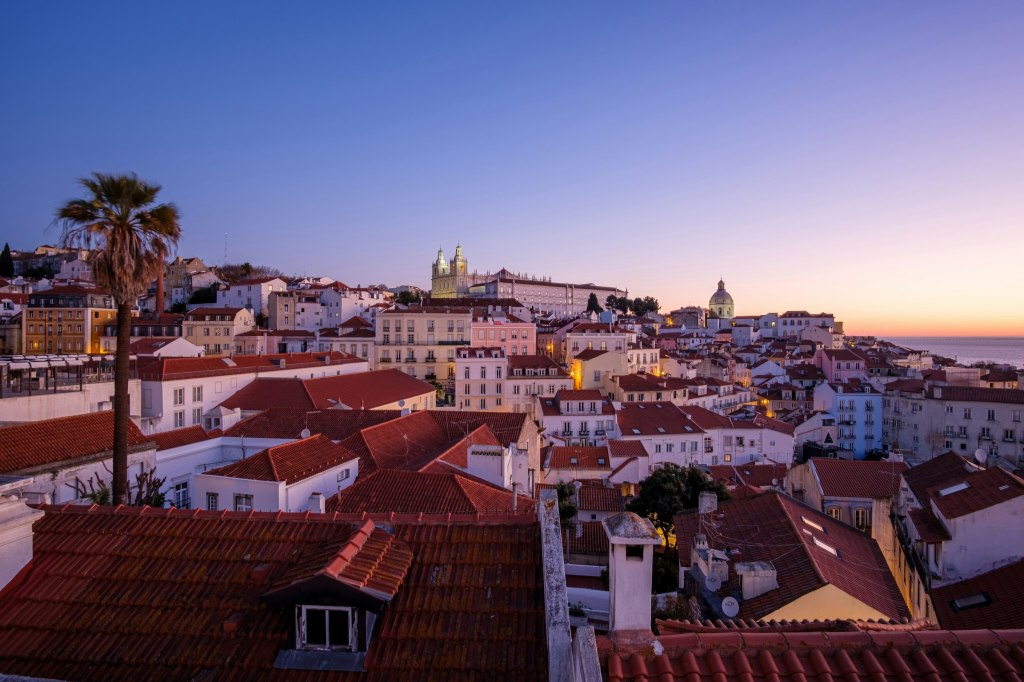
Fado in Lisbon is best met in a small room, in low light, when the guitars begin and the whole table goes quiet. This guide to the fado houses of Alfama and Mouraria explains where the music came from, how to listen, and where to hear it, so that an evening in the city feels considered rather than hurried.
Where fado began
Fado took shape in the 1800s, in the working-class tascas of Mouraria, where sailors, farmers and neighbors sang to one another. The Portuguese guitar, with its twelve strings and silvery tone, became the standard accompaniment in the late nineteenth century. Over time the music moved from taverns to licensed casas de fado, and in 2011 UNESCO recognized fado as intangible cultural heritage.
One name towers over the story: Amália Rodrigues, the most celebrated fadista from the 1950s until her death in 1999. A later generation, including Mísia, Ana Moura and Mariza, carried the music abroad and gave it new audiences. If you are new to fado, begin by listening to Amália at home before you travel.
How to listen
Fado is sung by one voice, usually with a Portuguese guitar and a classical guitar beside it. Its great theme is saudade, a word often translated as longing, and it is delivered with restraint rather than spectacle. The etiquette is simple. When the lights dim and the guitarists start, conversation stops. Meals are served between songs, and service pauses while someone sings. Applause comes at the end, and it is warm.
Where to hear fado in Lisbon
Mesa de Frades in Alfama occupies a former chapel, and the setting suits the music. It is a polished, dinner-and-music evening, so reserve ahead.
A Baiuca, also in Alfama, is a small tasca with a more informal, neighborly feel. The room is intimate, and the singing often comes from people who simply love the form.
Casa da Amália, the singer’s former home, is now a museum. As of this writing, it also hosts concerts in its garden several times a week, which makes a gentle, daylight-friendly introduction.
Spend an afternoon, too, at the Museu do Fado in Alfama, where recordings and instruments trace the music from its earliest years. In late September, Festival Caixa Alfama has filled the neighborhood’s streets with fado over two days.
Planning a fado evening
Reserve a table, arrive a little before the first set, and plan to stay for the whole evening. Dinner can be part of it, though the music is the point. Walk up through Alfama’s lanes beforehand and let the light go gold over the river. For the rest of the city, our Lisbon city guide covers where to stay, and for a daytime companion to the evening, our tile lover’s guide to Lisbon azulejos and our guide to fine dining in Lisbon fill out the rest of the day.

