
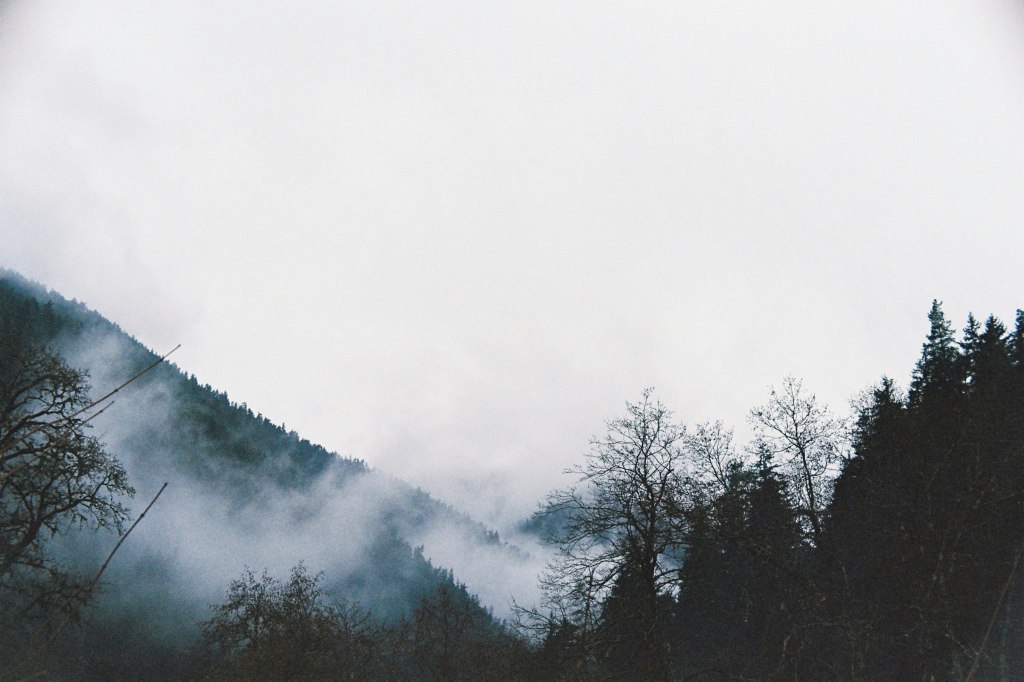
Borjomi mineral water is one of Georgia’s best-known exports, but the town where it rises has a quieter story to tell. About 165 kilometers from Tbilisi, in a forested gorge, Borjomi has drawn visitors to its warm, naturally carbonated springs for generations. This is a calm look at the tradition, what is known about the water, and how to visit with an open mind.
The springs and their history
Local people knew these springs long before they became famous. Archaeologists have reported rock bathing tubs dating to the early seventh century. Russian soldiers rediscovered the springs in 1829, and a mineral water park opened in 1850, with the first bottling plant commissioned in 1854. Later in the century the Romanov family took a liking to the place. Grand Duke Nikolay built a park and chateau at Likani, at the western end of town, and writers and composers came to take the waters.
Quiet, green and cool in summer, the town grew into one of the Caucasus’s best-loved retreats.
What Borjomi mineral water is
The water is naturally carbonated, pushed to the surface by volcanic gas, and it is rich in bicarbonate and sodium. Published descriptions put the springs at roughly 760 to 920 meters above sea level, with water emerging warm, in the range of 38 to 41 degrees Celsius, before it is bottled. Many people describe the taste as mineral, slightly salty and softly fizzy. It is an acquired pleasure, best sipped slowly and, in the traditional way, at the spring itself.
What the research suggests
Mineral-rich waters like this one have long been part of spa culture, often associated with digestion and a general sense of well-being. The scientific evidence for specific benefits is limited and mixed, and many studies are small, so it is wiser to enjoy Borjomi as a ritual than as a remedy. As a practical tip, the water is high in sodium, so anyone who has been advised to watch their salt intake may wish to ask their clinician before drinking it regularly.
A day in Borjomi
Begin in the mineral water park, where the springs are the attraction and the paths shade you from the afternoon sun. The town sits on the eastern edge of Borjomi-Kharagauli National Park, a vast protected area of more than 85,000 hectares with routes for hiking, horse riding and biking. The Borjomi to Bakuriani railway also starts here, and the Likani chateau is a short drive west. Come for a night or two rather than a day trip, and let the pace slow.
Pair it with the capital. In Tbilisi, the sulfur baths of Abanotubani offer another side of Georgia’s warm-water tradition, and our Tbilisi city guide sets out where to stay and eat before or after the road to Borjomi.
This is general information and not medical advice; please consult a qualified clinician about your own health.

