
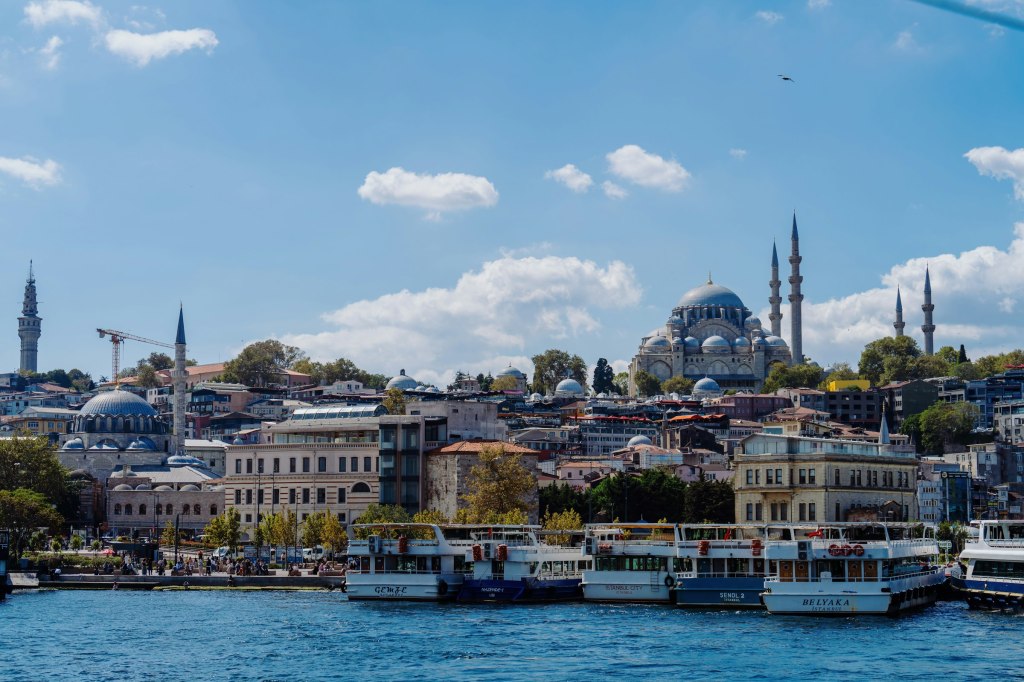
Studying dentistry in Türkiye as an international student is a path more young people are exploring each year, and it’s easy to see why: a five-year degree, English-taught programs at several universities, and a student city like Istanbul waiting outside the lecture hall. This guide walks through how the system works, what the application involves, what the years feel like, and how to plan the practical side with confidence.
Information last updated October 2026. Admission rules, tuition and exam dates change from year to year, so the official page of each university and of the national exam authority is always the final word.
Studying Dentistry in Türkiye as an International Student: At a Glance
- Length: five years (ten semesters) for the dentistry degree, with an extra language preparatory year for some students.
- Language: English-taught programs are offered at a number of foundation (private) universities, while many public faculties teach in Turkish.
- Entry route: private universities review your secondary school qualifications, such as A-levels, Cambridge International (CIE) results or SAT scores, together with proof of English such as IELTS, or confirmation that English is your first language.
- Clinical start: hands-on simulation work comes early, and patient care follows in the later years.
Who This Path Suits
It suits students who enjoy precise handwork, steady study habits and the idea of a clinical career that blends science with craft. It also suits families who want an English-taught option close to a major international city, or who are keen to learn Turkish and train in a Turkish-language faculty. If you like variety, you’ll find it: Istanbul alone offers ferries, old neighborhoods and neighborhoods that feel entirely modern, and our Istanbul travel guide is a good way to picture the city beyond the campus.
Admissions and Requirements
Applicants are typically in their final year of secondary school or have already graduated. Private (foundation) universities, which host most of Istanbul’s English-taught dentistry programs, run their own admissions and publish requirements for international applicants. They generally look at your secondary school qualifications, such as A-levels, Cambridge International (CIE) results, SAT scores or other recognized credentials, together with proof of English such as IELTS, or confirmation that English is your first language. Turkish exams for foreign students are not part of that route.
Public universities, which mostly teach in Turkish, may use the national TR-YÖS exam for foreign students alongside school grades. Each private university also publishes its own quotas and deadlines, so read the current admissions page for every program on your shortlist.
English-Taught Dentistry in Istanbul, University by University
- Yeditepe University: its dentistry program is taught in English. It holds CODA accreditation (the US Commission on Dental Accreditation), listed as valid for 2023 to 2030, and the university describes itself as the first in Europe and the second in the world to receive it. The university states that graduates from February 1, 2024 onward have the same rights as US dental graduates and are exempt from Advanced Standing programs, so confirm details with the licensing board you plan to apply to. Training begins in simulator laboratories with robotic patients and continues at the affiliated Dental Hospital.
- Istanbul Medipol University: its English program is taught entirely in English. The faculty highlights a large simulation laboratory with 156 models and live demonstration screens at every unit, and works with the university’s dental hospitals.
- Istinye University: English and Turkish programs on the Vadi Istanbul campus, with an English quota of 60 seats in the 2026-2027 listing.
- Bahçeşehir University: a five-year English-language program on the Beşiktaş campus, with a curriculum that includes digital, aesthetic and implant dentistry.
- Istanbul Aydın University: a Turkish program since 2011 and an English program since the 2020-2021 academic year, with a dental hospital offering 203 dental units across eight departments.
- Biruni University: an English dentistry program since 2018-2019, five years long, with basic and preclinical teaching in the first three years and patient care in years four and five at Biruni University Dental Hospital.
- Istanbul Okan University: a five-year English program on the Tuzla campus, awarding the title Doctor of Dental Surgery, with an English preparatory class and a personal phantom unit for each student in the preclinical labs.
- Altınbaş University: instruction described as 70% English and 30% Turkish, on the Bakırköy Health Campus, with one phantom head per student.
- Galata University: an English dentistry undergraduate program since 2021-2022, five years, with preclinical teaching at the Galata Campus.
Quotas, language shares and campuses change, so compare each faculty’s current international admissions page.
What the Five Years Feel Like
The first two years lean toward the foundations: anatomy, medical biology, biochemistry, and the early dental sciences. The pace is steady and the schedule is full, but it is also the stage where you build friendships and learn how your faculty runs.
From the third year, the dental sciences take center stage. Many faculties open a pre-clinical simulation laboratory where students practice on models and artificial patients in dental chairs before treating anyone. Years four and five move into university dental hospitals, where you see real patients under supervision and bring together restorative work, surgery, periodontology, pediatric dentistry, orthodontics and radiology.
The clinical years are when the degree starts to feel like a profession. Good hand skills, tidy notes and a warm chairside manner are what teachers tend to notice.
Costs: What to Plan For
Tuition varies widely by type of university. Public universities are generally much lower, while foundation universities publish annual fees for each program. The table shows what three Istanbul universities list on their own pages, in dollars as shown there.
| Item | Listed figure (USD) | Notes |
|---|---|---|
| Istinye, English program | About 23,275 to 24,500 per year | 2026-2027 list; lower figure is the full-payment option |
| Istinye, Turkish program | About 19,000 to 20,000 per year | Same campus, same listing |
| Medipol, 100% English | About 36,000 per year | Fee list also shows about 33,000 for a 30% English track; confirm the intake year |
| Yeditepe, Dentistry (taught in English) | About 73,000 per year, or 54,750 with the success-rank support option | Fee page does not state the year; confirm with the International Office |
| Personal instruments and kit | About 500 to 800, one time | Approximate; varies by faculty |
| Monthly living costs | About 500 to 1,500 per month | Depends on housing choice, neighborhood and lifestyle |
Scholarship routes exist too. Some foundation universities list merit-based reductions after the first academic year, and national or university scholarship calls may be open to international students, so it is worth reading the current announcements before you apply. Every figure above is a starting point; confirm the current year’s fees with the university.
Student Life and Visas
Once you hold an acceptance letter, the next step is your student visa and, after arrival, a student residence permit through the national e-residence (e-ikamet) system. International student offices guide you through it. In practice, you complete the online form, submit your documents to the office within seven days, and they forward the file to the provincial migration directorate. The usual documents include passport copies, biometric photos, a student certificate and valid health insurance. Offices often ask you to begin within your first weeks in the country, so keep your documents ready.
Daily life is part of the draw. Student flats, ferry commutes, tea gardens and long weekend lunches make the city feel welcoming, and a stroll through Nişantaşı is a lovely reward after exam week.
Licensing and Career Afterward
A Turkish dentistry degree is a professional qualification in Türkiye, and graduates who want to specialize can sit the national specialty exam (DUS). If you plan to practice in another country, requirements differ: many countries ask foreign-trained dentists to pass a licensing or equivalency exam or complete an advanced-standing program. These pathways change, so check the licensing board of the country where you hope to work before choosing a university, and ask each faculty about its accreditation and graduate outcomes.
Practical Tips
- Shortlist five to eight universities and compare language of instruction, quota, fees and deadlines side by side.
- Apply early: English-taught seats are limited, and early applicants often have more choice.
- Order certified, translated copies of your diploma and transcripts well ahead of time.
- Build a small budget that includes instruments, lab kits, textbooks and health insurance.
- Start learning Turkish before you arrive. Even in English programs, patient care in the clinical years is often conducted in Turkish, and many faculties ask international students to show a working level of Turkish before clinical training begins. Outside the university, daily life in shops, on public transport, at appointments and with neighbors runs largely in Turkish, so a solid working knowledge makes everything from errands to friendships far easier and helps you settle in faster.
Dentistry is a long, rewarding craft, and Istanbul, Ankara and the other university cities offer a lovely backdrop for learning it. Start with one university page and one question, and the rest of the plan tends to fall into place.
This article offers general information only and is not medical, legal or immigration advice.

