
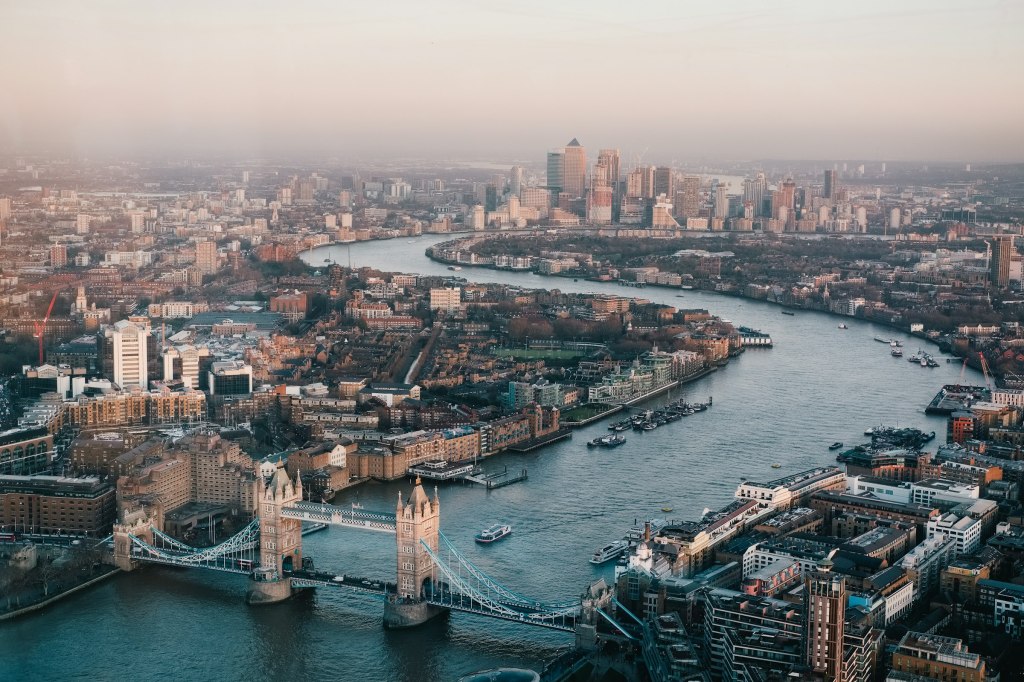
This London city guide is for travelers who want the grand sights and the quiet corners in the same trip: where to sleep from Mayfair to Shoreditch, which tables and tea rooms reward a booking, and what everything costs in pounds and dollars. London is huge, but it behaves like a collection of villages. Pick two or three, walk between them along the river, and the city settles into a very human scale.
Prices last updated October 2026. Rates move with season and exchange rates, so please treat every figure as a planning guide and let official sites and venues have the final word. Pound amounts are converted at roughly £1 = US$1.34.
London city guide at a glance
- Currency: pound sterling (£). £10 is about US$13.40.
- Language: English.
- Plug: Type G, 230V.
- Time zone: Greenwich Mean Time (UTC+0, one hour ahead in summer).
- Heathrow transfer: the Elizabeth line runs to central stations for about £15.50 (about $21), tapping in and out with a contactless card. Heathrow Express to Paddington is about £26 ($35) and takes roughly 15 minutes. A black cab into the center is commonly £70 to £120 ($94 to $160) depending on traffic.
- Best months: May, June and September for mild days. December for lights and festive windows.
When to go
London looks its best from late spring to early autumn. Gardens are in flower by May, the Chelsea Flower Show arrives in late May, and long June evenings keep terraces open until nearly ten. Summer highs sit around 22°C to 24°C (72°F to 75°F). September is softer, with golden light along the Thames and a busy cultural calendar.
Winter has its own charm. Days are short and cool, around 6°C to 8°C (43°F to 46°F), which makes the warm interiors of hotel lounges and museums especially inviting. January and February often bring the lowest hotel rates, while peak summer and big events such as Wimbledon and Fashion Week lift prices noticeably. Pack a light waterproof in any month.
Where to stay
Mayfair and St James’s are the grand heart: hotel doormen, private galleries, Savile Row. Covent Garden and Soho are for theater and late dinners. Bloomsbury is quieter and academic, close to the British Museum. Belgravia and Knightsbridge are residential and polished. Shoreditch is creative and informal, with design hotels and the city’s best Sunday markets.
- Claridge’s (Mayfair): the Art Deco legend. From about £750 a night ($1,000), with deluxe rooms from about £950.
- The Savoy (Strand): Thames views and a famous American Bar. Roughly £650 to £700 ($870 to $940) and up.
- Rosewood London (Holborn): a restored Edwardian courtyard hotel. From about £500 ($670).
- The Goring (Belgravia): a family-run classic a short walk from Buckingham Palace. From about £450 ($600).
- Kimpton Fitzroy London (Bloomsbury): a grand Victorian building, relaxed and central. From about £210 ($280).
- The Hoxton, Shoreditch: a stylish, good-value base. From about £135 ($180).
Peak months from May to September can add 30 to 50 percent to rates, while January and February often offer discounts of up to half. Book early for Wimbledon, Chelsea Flower Show and December.
Where to eat and drink
Begin the day in Shoreditch with a bacon naan roll at Dishoom, about £6.50 ($8.70), with chai at about £3. Breakfast rolls are walk-in only before 10 a.m. For pub lunches, expect fish and chips with mushy peas at about £16 to £24 ($21 to $32) and a pint at roughly £6 to £9 ($8 to $12). A supermarket meal deal, handy for a park picnic, runs about £4 to £6.
Borough Market, beside London Bridge, is the great food market. Entry is free, and stalls offer grilled seafood, cheese, bread and hot dishes from around the world. Full trading runs Wednesday to Saturday, with a smaller selection on Monday and Tuesday and most of the market closed on Sunday. A weekday morning is the calmest time, and Saturday between noon and 3 p.m. is the liveliest. Padella, the pasta counter, is well known here for generous plates at friendly prices.
Afternoon tea is the signature ritual. Fortnum & Mason’s Diamond Jubilee Tea Salon starts at about £84 ($113). The Savoy is about £90 ($121). The Ritz and Claridge’s start around £95 ($127), and the Ritz asks guests to dress smartly, so check its current code. The Coral Room in Bloomsbury and the Orangery at Kensington Palace are about £55 ($74). A glass of champagne adds £15 to £25. Reserve weeks ahead for weekends and December.
For serious dinners, our guide to fine dining in London covers six three-star rooms. Many restaurants add a discretionary service charge of about 12.5 percent, so check the bill before adding anything more.
What to see
London’s best museums are free, which leaves room in the budget for the paid landmarks.
- Tower of London: the Crown Jewels and a thousand years of stone. Adults £37 ($50), children 5 to 15 £18.50. Closed 24 to 26 December and 1 January.
- Westminster Abbey: coronations and quiet chapels. About £31 for adults ($42). The Abbey is generally closed to sightseers on Sundays, when services are held.
- St Paul’s Cathedral: climb the dome for a view of the river. About £27 ($36).
- London Eye: about £30 to £35 ($40 to $47) when booked in advance.
- Buckingham Palace State Rooms: about £33 to £40 ($44 to $54), open on a seasonal schedule, so check dates.
- British Museum, National Gallery, V&A and Natural History Museum: free permanent collections.
- Sky Garden: free, with a booked time slot.
For tailoring and craft, follow the route in our guide to Savile Row’s bespoke houses.
A short itinerary
Day one: royal London. Start at Westminster Abbey, walk through St James’s Park to Buckingham Palace, then take afternoon tea at The Goring or The Savoy. End with a stroll along the South Bank as the lights come on.
Day two: museums and markets. Arrive at the British Museum as it opens, lunch in Bloomsbury, spend the afternoon at the National Gallery, and have dinner in Covent Garden or Soho.
Day three: the river and the east. Visit the Tower of London in the morning, cross Tower Bridge, graze at Borough Market, and finish in Shoreditch with a late supper.
Getting around
Contactless payment is the simple answer. Tap the same card or phone at every gate and fares cap automatically.
- Tube, Zone 1 single: about £3 (about $4). Zones 1 to 2 are about £3.10 to £3.60.
- Daily cap, Zones 1 to 2: about £9 ($12), including Tube and Elizabeth line journeys.
- Bus: £1.75 per ride, rising to £1.85 from 1 November 2026. The daily bus cap is about £5.25 to £5.55, and the Hopper fare lets you change buses within an hour at no extra charge.
- Santander Cycles: £1.65 for a ride of up to 30 minutes, or £3.50 for a day pass.
- Black cabs are metered. Fares start at £4.40 and rise with distance and time, and ride-hailing apps show a quote before you travel.
Walking is the best way to feel London’s scale, particularly along the Thames Path.
Shopping, culture and wellness
Mayfair’s arcades and Jermyn Street hold the old specialists: hatters, shirtmakers, cheesemongers and perfumers. Marylebone High Street is a gentler stop for independent boutiques and a Sunday farmers’ market. In the evening, the West End theaters, the Royal Opera House and the Southbank Centre offer something for almost every taste, and many box offices release a limited number of same-day seats. For a slower pace, spend a morning in Hyde Park or Regent’s Park, where the rose gardens are at their best in June. Several of the grand hotels also have spas that welcome non-resident guests by appointment.
Day trips
Oxford is an hour from Paddington, and our guide to a day in Oxford lays out libraries, colleges and the Ashmolean. Bath pairs Georgian crescents with warm mineral water at Thermae Bath Spa. If you want a country-house weekend, see our selection of luxury hotels in the Cotswolds. Windsor Castle and Kew Gardens are shorter hops by train.
Practical notes
- Entry: visitors from the United States, Canada, Australia and many European countries need a UK Electronic Travel Authorisation (ETA) before they travel. The fee is about £20 ($27), and an ETA is valid for two years or until the passport expires, with stays of up to six months. Check the official GOV.UK page for your passport.
- Tipping: optional. A 10 to 12.5 percent service charge is often already on the bill. For taxis, rounding up is welcome.
- SIM and eSIM: pay-as-you-go SIMs from EE, Vodafone, Three and O2 are typically about £10 to £35 for a month of data, and some travelers prefer a travel eSIM installed before landing. Check current offers.
- Dress: layers, comfortable shoes and a compact umbrella. Smart-casual is welcome almost everywhere, and some tea rooms and clubs ask for a jacket.
- Reservations: book afternoon tea, major dinners and timed attractions ahead.
Price guide, per person per day
| Style | Budget | Comfortable | Luxury |
|---|---|---|---|
| Room (twin share, per person) | £70 to £120 | £105 to £190 | £450 to £900 |
| Food and drink | £30 to £45 | £70 to £110 | £180 to £350 |
| Local transport | £6 to £9 | £9 to £15 | £30 to £120 |
| Sights and tea | £10 to £25 | £30 to £60 | £40 to £80 |
| Typical daily total | About £115 to £200 ($155 to $270) | About £215 to £375 ($290 to $500) | From about £700 ($940) |
Prices last updated October 2026. Rates change with season, events and exchange rates, so confirm with hotels, venues and official ticket pages before you travel.
Insider tips
Walk a stretch of the Thames each evening, east from Westminster toward Tower Bridge. Visit the free museums late on a weekday afternoon, when the galleries are quiet. Book tea for 2 or 3 p.m. rather than the middle of the day for the best choice of tables. Look up at the buildings: the details above shop fronts are half the pleasure of Mayfair. And keep the same contactless card for every journey, since it is the single easiest way to keep fares low.

