
Tempeh and fermented foods in Indonesia carry a quiet reputation among nutrition researchers and a much older one in home kitchens across Java. This calm look covers what the foods are, what early studies suggest, and where the science is still catching up.
What tempeh and fermented foods in Indonesia actually are
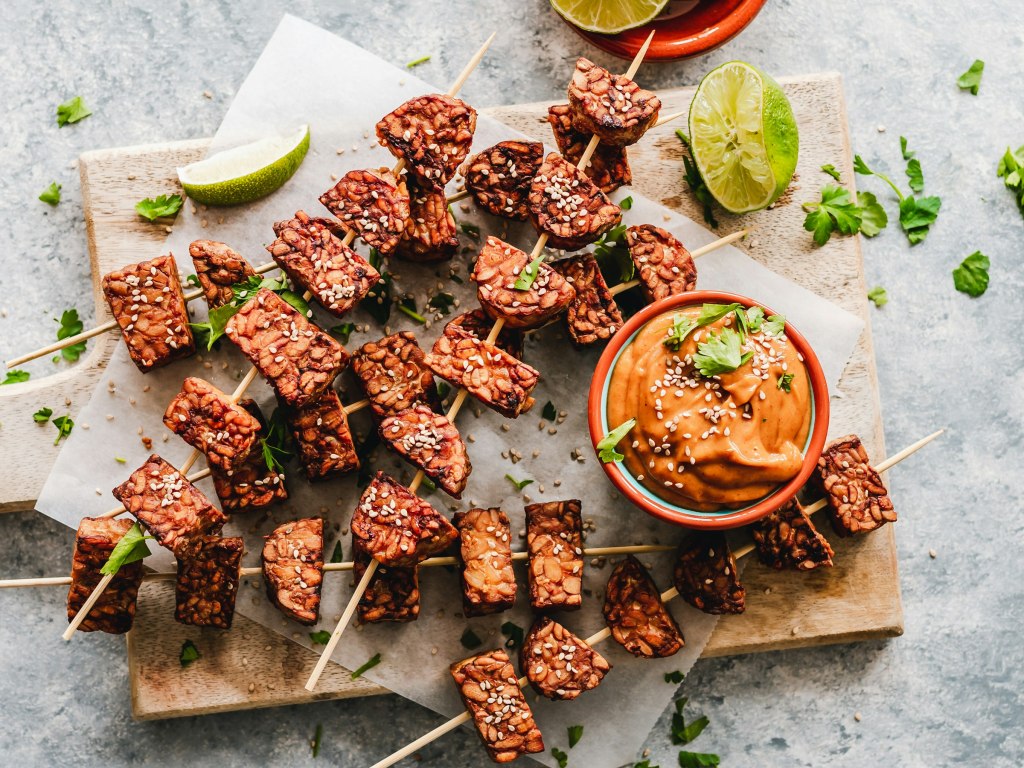
Tempeh is the best known. Cooked soybeans are bound into a firm, sliceable cake by a mold, and the result tastes nutty, a little earthy, wonderful when fried until the edges crisp. Oncom, popular in West Java, is made from pressed by-products such as soy or peanut residue. Tape is lightly sweet and tangy, made from fermented cassava or sticky rice. Each is a small act of kitchen chemistry, practiced for generations.
What the research suggests
Fermented foods as a group have drawn real interest. One small controlled trial in the United States found that people eating more fermented foods over several weeks showed greater gut microbial diversity and lower markers of inflammation. That is encouraging, and it is one study.
Research on tempeh in particular is thinner. Scientists have surveyed tempeh sold in Indonesian markets and found a varied community of bacteria, which says something about tradition and craft. But sequencing shows which microbes are present, not whether they benefit the person eating them. Tempeh also supplies plant protein and fiber, and fermentation may change how some nutrients are absorbed, though this is still being examined.
There is a further nuance worth knowing. Tempeh is nearly always cooked before it is eaten, and heat generally reduces live microbes. So any benefit from tempeh may come from the food itself, its protein, fiber and plant compounds, rather than from living cultures. Foods like tape, eaten without further cooking, are a different case again. Researchers are still sorting out which effects belong to which food.
How to enjoy them well
The pleasures here are practical. Grill tempeh with sambal, fold it into gado-gado, or try the sweet-salty crunch of tempeh orek. Buy from producers you trust, keep it refrigerated, and cook it through, as traditional dishes do. As a simple tip, anyone with a soy allergy should skip it, and people with a medical condition or a weakened immune system may wish to ask their clinician how fermented foods fit their diet.
Think of tempeh less as a miracle ingredient and more as a delicious, well-loved food that research is beginning to understand. Eating it as part of a varied diet, rich in vegetables and whole foods, is a pleasant place to begin.
This is general information and not medical advice. Please consult a qualified clinician about your own health.

