
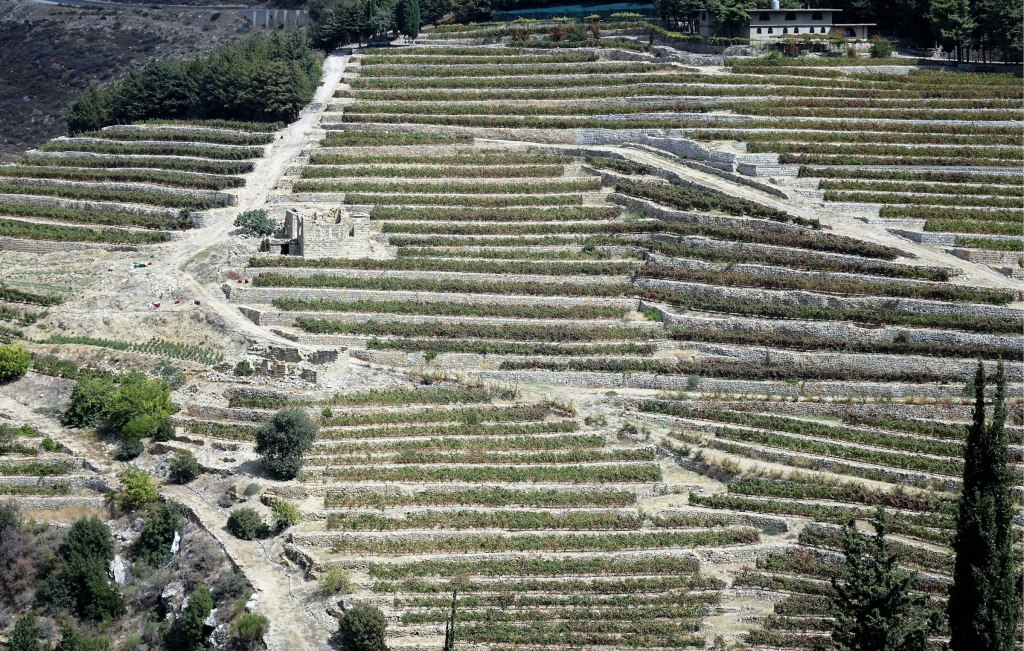
Lebanese wine deserves a place on any itinerary that includes Beirut. The Bekaa Valley, east of the capital, has long been the heart of the country’s wine, and a day among its estates pairs cellars cut into rock with views of the mountains. Four estates make a graceful introduction.
Chateau Ksara in the Bekaa Valley
Founded by Jesuit monks in 1857, Chateau Ksara is known for its underground cellars, a series of caves where wines age. A visit typically includes a short film on the history of the vineyards, a walk through the caves and a tasting. Look for the Cuvée du Troisième Millénaire, a red blend aged in French oak casks.
Chateau St Thomas for a smaller cellar
Close to Ksara, Chateau St Thomas has smaller cave cellars and a grotto carved in honor of its patron saint. It was the first winery in Lebanon to produce a pinot noir, which makes it a charming second stop for anyone curious about the range of the valley.
Chateau Kefraya with a view
Chateau Kefraya is one of Lebanon’s largest producers, and its tasting room looks out toward the mountains. Visitors can ride a small train around the grounds, walk through the vineyards and cellars, and stay on for lunch at the restaurant. Try the Comte de M, a blend of cabernet sauvignon and syrah.
IXSIR in Batroun
About 60 kilometers north of Beirut, IXSIR is a popular day trip from the capital. Its grapes come from three vineyards around the country, and the estate has a restaurant where reservations are recommended. The Altitudes Blanc is a dry, crisp, fruity white that suits a sunny lunch.
Pairing Lebanese wine with the table
Lebanese wines suit the country’s food. Mezze of hummus, grilled halloumi, kibbeh and fresh herbs sit comfortably beside crisp whites, while grilled meats and slow-cooked dishes call for the structured reds the Bekaa is known for. Ask at each estate for a suggested pairing. The teams are proud of local combinations and glad to share them.
Planning a Lebanese wine day
Hire a driver from Beirut so everyone can taste freely, and book tastings and lunch in advance. The Bekaa estates pair naturally with one another, while IXSIR in Batroun makes a separate outing, so give each its own day if time allows. Harvest season, usually late summer into early autumn, brings extra energy to the vineyards, though estates welcome visitors through much of the year. Opening hours, tour formats and bottle lists change, so confirm with each estate as of this writing.
Bring a little room in your luggage. A bottle from the Bekaa carries the memory of the valley home.

