
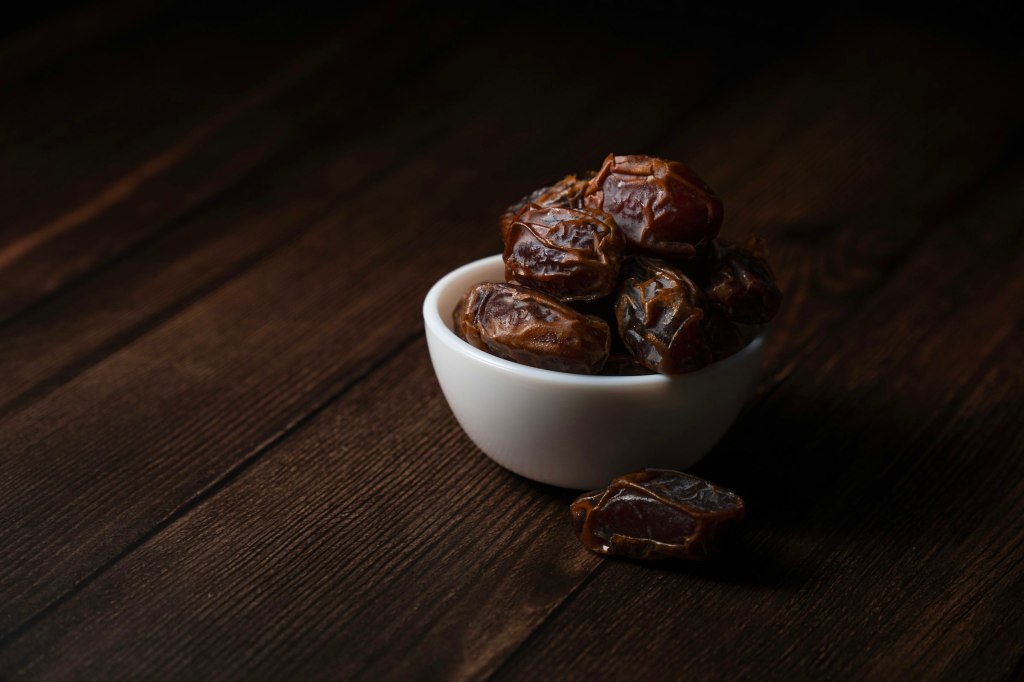
Sit down in almost any majlis in the United Arab Emirates and a plate of dates appears before the coffee does. It’s a gesture of welcome that stretches back generations. This calm look at dates and health explains what the fruit contains, what researchers have and haven’t found, and how to enjoy dates sensibly as part of a varied diet.
Dates in the Emirates: A Living Tradition
Date palms have long anchored life in the region’s oases. The Al Ain Oasis, a UNESCO World Heritage site, still shelters thousands of palms under a system of traditional water channels. In the UAE, dates arrive at weddings, at Ramadan iftar tables and at everyday gatherings. The tradition is cultural first and nutritional second, and it’s worth keeping that order in mind.
What a Serving of Dates Contains
Nutrition tables describe a 40 gram serving of dried dates, roughly three or four fruits depending on variety, as providing about 113 calories, around 3 grams of fiber and a few hundred milligrams of potassium. Most of the energy comes from natural sugars. Dates also contain polyphenols, plant compounds that researchers study across many fruits.
Fiber supports normal digestion. Potassium is a mineral many people don’t get enough of, and it plays a role in how the body manages fluid balance and blood pressure. A handful of dates can contribute to both, alongside vegetables, legumes and whole grains.
Dates and Blood Sugar: What the Evidence Suggests
Dates are sweet, so people often ask about blood sugar. Published glycemic index values for dates have generally fallen in the low-to-moderate range, though they vary by variety and by the person eating them. A 2021 meta-analysis of five small studies reported a slight reduction in fasting blood glucose, but the results varied and the authors called for larger trials. Portion size still matters, and people managing diabetes are wise to discuss dates with their own clinician.
Digestion, Labor and Other Claims
You’ll hear about dates for constipation and for easing childbirth. Evidence here is modest. One small randomized trial of 22 participants found more frequent bowel movements after three weeks of eating seven dates a day, and a few reviews have suggested date intake may be associated with shorter labor, though the authors rated most of the underlying evidence as low quality. A 2020 systematic review concluded there was not yet enough evidence to claim significant clinical benefits. In plain terms, dates are a pleasant, nourishing food, not a treatment.
Enjoying Dates Well
Pair them with unsweetened Arabic coffee, a few almonds or a spoon of yogurt, so that sugars arrive with protein and fat. Choose a few fruits rather than a whole box. Brush your teeth later, since dried dates are sticky. If you live in the Gulf, the seasonal harvest in late summer is the best time to taste fresh varieties.
For more on how the region approaches health, our look at longevity medicine in the UAE offers context, and the Souq Waqif oud shopping guide in Doha shows how hospitality traditions travel across the Gulf.
This article is general information and not medical advice; please consult a qualified clinician about your own health and diet.

