
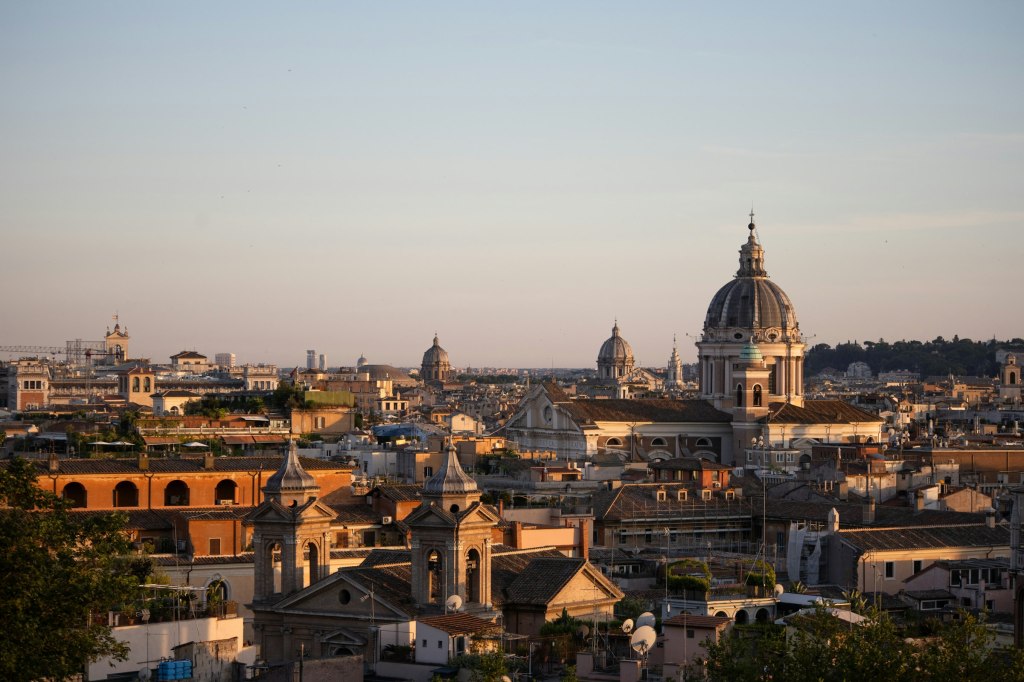
This Rome city guide is built for a first long weekend or a return visit that wants to feel less rushed: where to sleep across several budgets, what a plate of cacio e pepe actually costs, which tickets to book, and how to move around without wasting a morning. Everything below is priced in euros with a dollar figure beside it.
Prices last updated October 2026. Rates move with the season and the exchange rate, so treat every figure as a guide and let each venue’s official site have the final word. Dollar amounts use about $1.12 to €1, the rate published by the European Central Bank on October 22, 2026.
Your Rome city guide in numbers
- Currency: euro (EUR). Cards and contactless payments work almost everywhere, though a few euros in coins help at the coffee bar.
- Language: Italian. English is widely understood in hotels and central restaurants, and a cheerful buongiorno opens doors.
- Plugs: types F and L, 230V.
- Time zone: Central European Time (UTC+1, UTC+2 in summer).
- Best months: April to early June and September to October.
- From Fiumicino (FCO): Leonardo Express to Termini, €14 (about $16), 32 minutes. Official taxi, flat €55 (about $62) to addresses inside the Aurelian Walls.
- From Ciampino (CIA): flat taxi fare about €40 ($45), or a shuttle bus to Termini for about €7 ($8).
When to go
Spring and early autumn are the sweet spots. Mornings are cool enough for a long walk from the Forum to the Capitoline, the light turns honey-colored by late afternoon, and a table outdoors feels like a gift rather than a gamble. October, in particular, still holds warm evenings.
July and August bring real heat. Plan indoor galleries for the middle of the day, carry water (the city’s public nasoni fountains run cold and free) and dine late. Winter is quieter and softer on hotel rates, with the Christmas season adding lights and markets.
Where to stay in Rome
Pick the neighborhood first, then the hotel. Centro Storico, around the Pantheon and Piazza Navona, puts you inside the old city and costs the most. Monti is the village-like quarter above the Forum, full of small wine bars and workshops. Trastevere runs on ivy, cobbles and late dinners. Prati, near the Vatican, is residential and calm, and Piazza del Popolo and the Spanish Steps are where the grand hotels sit.
Typical nightly rates by neighborhood, from recent 2026 guides: Termini €60 to €120, Prati €90 to €170, Monti €100 to €180, Trastevere €100 to €200, Centro Storico €130 to €250 for mid-range rooms. These are for a double, and peak dates run higher. Rome also levies a city tax per person, per night, by hotel category (roughly €6 to €10 in the three- to five-star bands, for up to ten nights), paid at the property.
- Hassler Roma (top of the Spanish Steps): the family-run grande dame. From about €1,100 (around $1,230) a night.
- Hotel de Russie (Via del Babuino, by Piazza del Popolo): terraced garden and a full spa. From about €900 to €1,200 ($1,000 to $1,350).
- Palazzo Manfredi (facing the Colosseum): about twenty-one rooms and a rooftop with the arena in view. About €400 to €600 ($450 to $670).
- Hotel Locarno (near Piazza del Popolo): a longtime boutique address a short stroll from the Tiber. From about €350 ($390).
- Chapter Roma (Regola, near the old Jewish Ghetto): design-minded and easy to walk from. From about €150 ($170).
- Mama Shelter Roma (Prati): a lively, well-priced base near the Vatican. From about €130 ($150).
Where to eat and drink
Roman cooking is short on ingredients and long on technique: cacio e pepe, carbonara, amatriciana, gricia, then saltimbocca, braised oxtail and fried artichokes in the Roman-Jewish style. A full trattoria dinner, from antipasto to wine, usually lands between €40 and €70 per person ($45 to $78). Dinner service starts around 8 p.m. Many kitchens close between lunch and dinner.
- Roscioli Salumeria con Cucina (near Campo de’ Fiori): a deli-restaurant famous for carbonara. Reserve weeks ahead.
- Armando al Pantheon: a small, old-school room beside the Pantheon for cacio e pepe and saltimbocca. Reservations are essential.
- Felice a Testaccio: the neighborhood classic for cacio e pepe and abbacchio. Book about two weeks out.
- Da Enzo al 29 (Trastevere): carbonara, amatriciana and tiramisu without a booking system, so arrive when the doors open.
- Trattoria Sora Lella (Tiber Island): Roman-Jewish dishes such as carciofi alla giudia.
Mornings belong at the bar. An espresso standing at the counter costs about €1 to €1.50 ($1.10 to $1.70), and sitting down can run €3 to €5. A cornetto with coffee is roughly €2.50 to €4. Street food is the other great value: a supplì (fried rice croquette) is €2 to €3, a slice of pizza al taglio €3 to €5 at Pizzarium near the Vatican or the bakery counters around Campo de’ Fiori, and a porchetta sandwich about €5 to €6. Gelato is €2.50 to €4.50 a scoop. Look for a fixed-price weekday lunch (menu del giorno) at €10 to €15.
When you want a different register, our guide to fine dining in Rome covers five Michelin-starred tables, from rooftop terraces to intimate tasting rooms. Expect roughly €100 to €180 per person for the evening in this category (a range from recent guides, so check each menu).
What to see, and what it costs
- Colosseum, Roman Forum and Palatine Hill: about €18 ($20) online, valid for a day. A booking fee of about €2 may apply.
- Vatican Museums and Sistine Chapel: about €25 ($28) including the online pre-sale fee. St. Peter’s Basilica is free, and climbing the dome costs about €8 by stairs or €10 with the elevator.
- Galleria Borghese: about €13 to €18 ($15 to $20) with the mandatory reservation. Timed slots make it the calmest hour of your trip, as we describe in our piece on a timed morning with Bernini and Caravaggio.
- Pantheon: €7 (about $8) since the July 2026 increase from €5.
- Capitoline Museums: about €15 ($17).
- Castel Sant’Angelo: about €12 to €15 ($13 to $17).
- Trevi Fountain: viewing from the square is free. Since February 2026, stepping down to the basin costs €2 (about $2.25) for visitors, paid electronically.
- Spanish Steps, Piazza Navona, Campo de’ Fiori, Trastevere: free, and best on foot.
The Roma Pass covers 45-plus sites and costs about €38 for 48 hours or €58 for 72 hours. It does not include the Vatican. Do the sums against the three or four places you really want.
Three days in Rome
Day one, ancient Rome. Take the earliest Colosseum slot, wander the Forum and climb the Palatine for the long view. Lunch with supplì in Monti. Spend the late afternoon on the Capitoline, and finish at the Pantheon as the light drops.
Day two, the Vatican and Prati. Reach the museums at opening, finish in the Sistine Chapel, then walk to St. Peter’s. A slice at Pizzarium makes a good reward. Cross the river for a Trastevere dinner.
Day three, baroque Rome. Morning at Galleria Borghese, a stroll through its park, then the Spanish Steps, Piazza Navona and a long dinner in Testaccio. Short on days? Pair this with the slower pace of Saturnia’s thermal waters a couple of hours north.
Getting around
The center is compact, and walking is the best way to see it. For longer hops, a single metro, bus or tram ticket costs €1.50 (about $1.70) and lasts 100 minutes, with one metro ride included. Day passes cost €8.50 for 24 hours, €15 for 48, €22 for 72, and €29 for seven days. You can also tap a contactless card at the red readers, which charges €1.50 a ride with a daily cap of €8.50. Stamp paper tickets when you board.
Taxis are licensed and metered, and an in-city ride is often under about €15. Ask for a fixed airport fare as above, or use a ride-hailing app so the price is agreed before you set off.
Shopping, culture and a slower hour
Via Condotti and the streets around it hold the great Italian houses, while Monti and Via dei Coronari suit small ateliers and antiques. For scent lovers, see our walk through the apothecaries of Florence as a companion trip. Leave an evening for an aperitivo at a quiet piazza table, and ask for a few olive with your drink.
Day trips
Tivoli, east of the city, pairs the Renaissance Villa d’Este with Hadrian’s Villa. The regional train from Roma Tiburtina takes 45 to 55 minutes and costs about €3.50. Ostia Antica, Rome’s ancient port, is reachable on regional transit and rewards a morning among mosaics and pines. Both fit neatly into a free day, and Italy’s coast waits further south: see our notes from the Amalfi Coast.
Rome travel tips: tipping, phones and entry rules
- Tipping: optional. Rounding up at a bar is common, and €2 to €5 per person for good table service is generous. A coperto (cover charge) of about €1 to €3 per person appears on many restaurant bills.
- Dress: shoulders and knees covered for St. Peter’s and other churches. A light scarf does the job.
- Phones: a travel eSIM costs from about $2 to $8 for 1 to 5 GB, plenty for a city break.
- Entry: many nationalities, including US, UK and Canadian passport holders, can visit Italy visa-free for up to 90 days in any 180. ETIAS, the Europe-wide travel authorization, has no start date yet, and the Entry/Exit System is running at borders. Check your own passport’s rules on official government sites before you fly.
Rome price guide per person, per day
| Style | Per person, per day (sharing a room) | What it looks like |
|---|---|---|
| Budget | €70 to €100 ($80 to $110) | Simple room, street food, one trattoria meal, a day pass |
| Comfortable | €130 to €180 ($145 to $200) | Mid-range hotel, two sit-down meals, one major ticket |
| Luxury | About €600 to €900 ($670 to $1,000) | Grand hotel, fine dining, private guide or driver |
Prices last updated October 2026. Hotel and ticket rates shift with season, demand and the exchange rate, so confirm them on the official booking pages.
A few insider habits
- Book the Colosseum, Vatican and Borghese slots as soon as your dates are firm. Rome rewards a plan.
- Look for fixed-price lunch menus. The midday meal is the best value in town, and the afternoon walk digests it.
- Fill your bottle at the nasoni. The water is cold and free.
- Slip into an Aventine hill garden at sunset. The orange trees and rooftop view cost nothing.

