
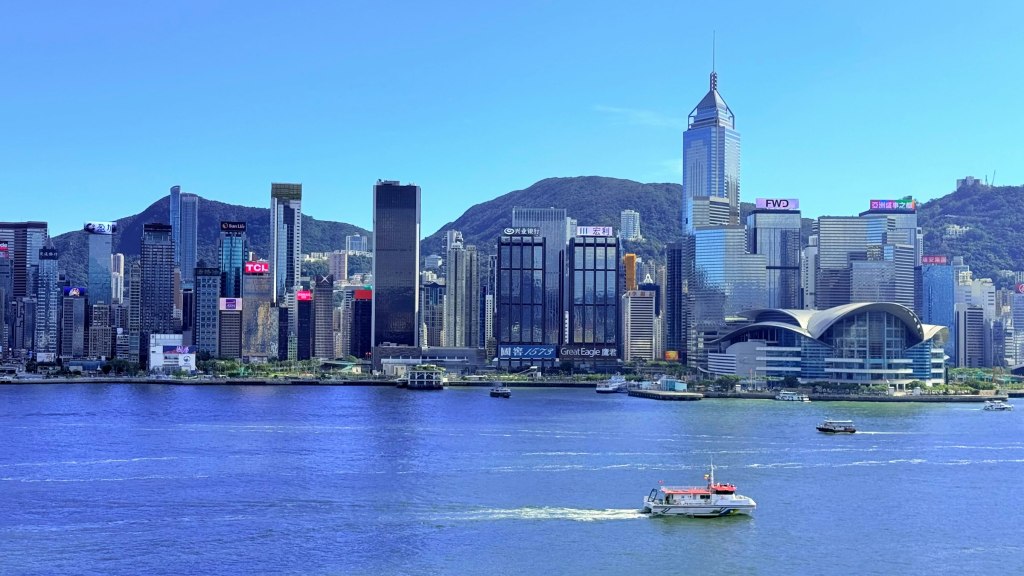
This Hong Kong travel guide is built for the traveler who wants the practical numbers and the pleasures in the same place: where to sleep above the harbor, what a bowl of wonton noodles actually costs, how to ride the Peak Tram without losing an afternoon, and how much a day tends to run at three levels of comfort. Think of it as a calm, well-lit map of one of the most rewarding cities in Asia.
Prices last updated October 2026. Rates move with the season and the exchange rate, so treat every figure here as a guide and let each hotel, attraction and transport operator’s official site have the final word. Hong Kong dollar amounts are converted at about HK$7.8 to US$1, the level the currency has long held.
Quick facts
- Currency: Hong Kong dollar (HK$), about 7.8 to the US dollar.
- Language: Cantonese and English are both widely used; signs are bilingual.
- Plug type: Type G (the three-pin British style), 220 V.
- Time zone: UTC+8, no daylight saving.
- Airport transfer: The Airport Express reaches Hong Kong Station in about 24 minutes, from roughly HK$120 (about US$15) with an Octopus card. Kowloon station is about HK$105. A taxi to Central runs roughly HK$300 to 350 (US$38 to 45).
- Best months: Late October through early December, when the air is dry and mild.
Hong Kong travel guide: when to go
Autumn is the easy answer. From late October to December, days sit in a pleasant range and the skyline looks washed and sharp, which suits the Peak and the harbor. January and February are cooler, with a few mornings that call for a light coat. Spring brings soft mist over the hills. Summer is warm and humid, with a typhoon season from about June to September, so check forecasts, carry a compact umbrella and enjoy the air-conditioned museums and tea rooms. Hotel rates generally rise around Christmas and Lunar New Year, so book those weeks early.
Where to stay in Hong Kong
Two sides of the harbor suit two moods. Central and Admiralty, on Hong Kong Island, put you near galleries, bars and the tram line. Tsim Sha Tsui, in Kowloon, puts you on the harborfront promenade with the best view of the island’s towers.
The Peninsula Hong Kong (Tsim Sha Tsui) has welcomed guests since 1928, and its afternoon tea tradition draws visitors from across the city. Expect about US$600 to 1,000 a night (HK$4,700 to 7,800), with higher rates in peak weeks. Mandarin Oriental, Hong Kong (Central) usually lists from about US$500 to 850 (HK$3,900 to 6,600) and is home to the Captain’s Bar. The Upper House (Admiralty), with its quiet, André Fu-designed rooms, tends to run about US$550 to 850.
For a more modest bill: Ovolo Central, close to Soho and Lan Kwai Fong, often starts at about US$180 to 280 (HK$1,400 to 2,200). Eaton HK, in the Jordan area of Kowloon, has been listing from about US$175. Stanford Hotel in Mong Kok and the YMCA hotels in Tsim Sha Tsui sit near US$145 (about HK$1,130). Basic guesthouse rooms start around HK$550 to 780 (US$70 to 100). For a deeper look at the top end, see our guide to luxury hotels in Hong Kong.
Where to eat and drink
Start the day at a cha chaan teng, the local tea café. A set breakfast with a pineapple bun or noodles and milk tea runs about HK$35 to 65 (US$4.50 to 8), and the silk-stocking milk tea is worth the small ritual. For lunch, wonton noodles cost about HK$45 to 65, and a long-loved name like Mak’s Noodle on Wellington Street is the classic pilgrimage. A roast meat plate over rice is about HK$50 to 85.
Roast goose is a local art. Kam’s Roast Goose in Wan Chai and Yat Lok in Central have both earned Michelin recognition, and a plate averages about HK$150 (US$19), with a quarter goose at sit-down spots around HK$160 to 240. Dim sum is best shared: a neighborhood lunch costs HK$80 to 150 a head, while a hotel dim sum room reaches HK$120 to 220 and more, with steamer baskets at HK$28 to 58. Add a small tea charge of about HK$12 to 22. A street egg waffle is around HK$25.
Evenings call for something grander. A Michelin-listed dinner generally falls between HK$800 and 1,500 per person. The Peninsula’s Afternoon Tea on the Harbour has been priced at about HK$820 (US$105) per guest, and hotel cocktails sit at HK$150 to 200, with simpler bars at HK$90 to 140 for a gin and tonic. For the finest rooms, from Amber to Lung King Heen, our fine dining in Hong Kong guide goes course by course. Most hotel restaurants add a 10 percent service charge.
What to see, and what it costs
Hong Kong gives away some of its best moments. Tai Kwun, the restored police station and prison quarter, welcomes visitors to its courtyards without a ticket; our day at Tai Kwun shows how to pair it with Hollywood Road’s antique shops. Man Mo Temple is free (a donation of HK$10 to 20 is customary), as are Chi Lin Nunnery and Nan Lian Garden in Diamond Hill. The nightly Symphony of Lights at 8 pm costs nothing and looks best from the Tsim Sha Tsui promenade.
Paid pleasures are modest. The Peak Tram costs about HK$108 to 116 return for adults, and the Sky Terrace 428 adds about HK$80. M+ in West Kowloon charges HK$190 (US$24) for its galleries, and the Hong Kong Palace Museum has listed general admission at about HK$70. Both sit in the same district, which we cover in a day in West Kowloon. The Ngong Ping 360 cable car to the Big Buddha costs about HK$240 (US$31) round trip in a standard cabin.
A short two-to-three-day itinerary
Day one. Take the Star Ferry across the harbor in the morning, then walk Central’s lanes, Tai Kwun and Hollywood Road. Ride the Peak Tram late in the afternoon and stay for blue hour. Dinner is roast goose in Wan Chai.
Day two. Begin at M+ and the Palace Museum, then take lunch with dim sum near Jordan. Walk the Tsim Sha Tsui promenade before the 8 pm light show.
Day three. Choose the Big Buddha and Tai O fishing village by cable car, or a morning walk on the Dragon’s Back trail (free, about two to three hours, best started by 8 or 9 am). Finish with a cocktail in Soho. If you wish to commission a suit before you leave, the houses in our Hong Kong bespoke tailoring guide need a few days for fittings.
Calm, craft and a slower hour
Hong Kong has a quiet side that rewards early risers. Parks fill at dawn with neighbors practicing tai chi, and our note on tai chi in Hong Kong explains where to watch and how to join in respectfully. Antique dealers along Hollywood Road open late morning, so a slow walk there fits naturally after breakfast. Many hotels also keep a spa or a lap pool, which makes a pleasant reset between museum afternoons and late dinners. Pace yourself here: the city is compact, and two unhurried plans a day are plenty.
Getting around Hong Kong
The MTR is clean, quiet and quick. Most journeys cost HK$5 to 15 (US$0.65 to 2), and Central to Tsim Sha Tsui is about HK$10 to 12. An Octopus card, sold at stations and the airport at around HK$150 with stored value (HK$50 is a refundable deposit), also pays on trams, buses and ferries; many visitors simply tap a contactless card or phone wallet. Trams cost about HK$3.30 and are best ridden on the upper deck, front seat. The Star Ferry fare is only a few Hong Kong dollars. Taxis start at about HK$29, and a harbor crossing by taxi starts near HK$100. Agree on the route, or use the meter or a ride-hailing app for a clear fare.
Practical notes for a smooth trip
Tipping is not expected at noodle shops or tea cafés; a 10 percent service charge is usually added in hotels and sit-down restaurants, and a small extra amount is optional. SIM cards and eSIMs are easy: tourist SIMs run about HK$48 to 128 (US$6 to 16) for three to fifteen days, and carriers have counters in the arrivals hall at the airport (bring your passport for registration). Visitors from the United States, Canada, Australia, New Zealand and most of Europe generally enter visa-free for around 90 days, and United Kingdom passport holders for up to 180 days, while some nationalities have shorter allowances or a free online pre-arrival registration, so confirm on the Hong Kong Immigration Department site before you fly. Hong Kong entry does not include mainland China. Dress is casual, though temples welcome covered shoulders and quiet voices.
Hong Kong price guide per day
| Style | Daily budget per person (two sharing) | What it buys |
|---|---|---|
| Budget | About HK$700 to 1,000 (US$90 to 130) | Guesthouse bed, noodles and tea-café meals, MTR and tram |
| Comfortable | About HK$1,800 to 2,600 (US$230 to 335) | Central or Kowloon hotel, a nice dinner, attractions |
| Luxury | From about HK$5,000 (US$640) | Harbor-view suite, tasting menu, private transfers |
Prices last updated October 2026. Rates change with the season and the exchange rate, and the official websites are the final word.
Insider tips
Head for the Peak Tram’s lower terminus on Garden Road, about 15 to 20 minutes on foot from Central or Admiralty. For a one-way trip, take the Peak Tram up and ride a minibus or bus back down for about HK$11. Book the Peak Tram and Sky Terrace combination online to save time at the ticket window. Sit on the left of the tram on the climb if you wish to look for porcupines in the foliage, and on the right for the city view. M+ stays open until 10 pm on Fridays. Weekday mornings are the quietest time at most temples. Finally, carry a little cash for noodle shops and markets, because a few small counters prefer it.

