
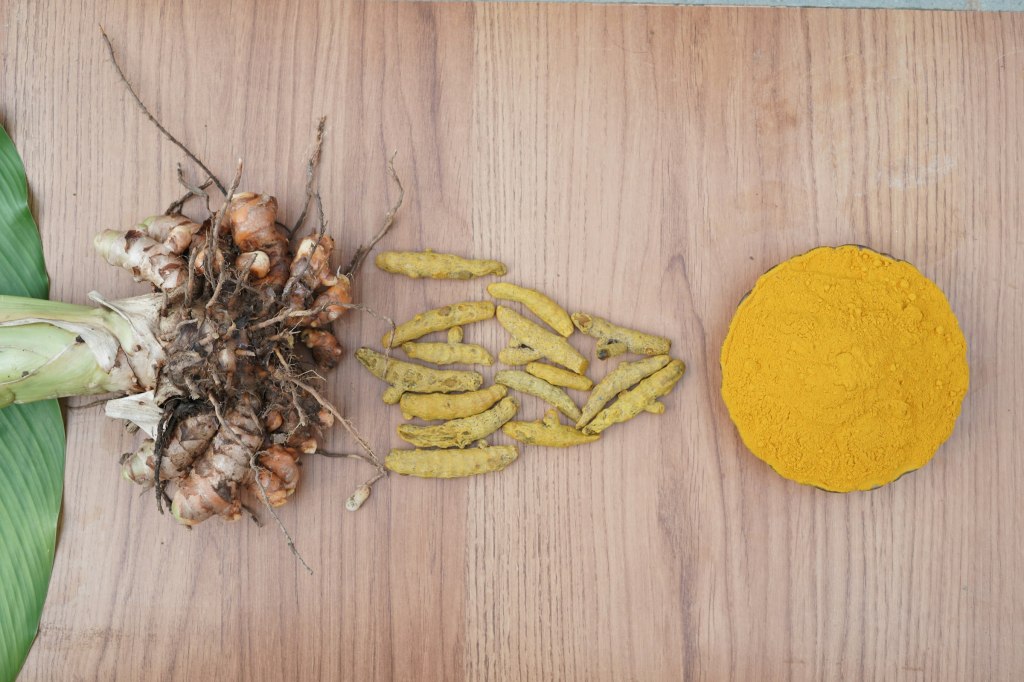
Walk through a Javanese town early in the morning and you may meet a jamu seller. She carries glass bottles in a bamboo basket, each holding a different golden, green or russet tonic. Jamu is one of Indonesia’s most beloved wellness traditions, and it’s quietly finding its way onto spa menus and breakfast tables across the archipelago.
What Is Jamu?
Jamu is a traditional herbal preparation made from roots, bark, flowers, seeds, leaves and fruits. It is most closely associated with Java. Turmeric, ginger and tamarind are among the best-known ingredients, joined by aromatic kencur, temulawak, cinnamon and lime depending on the recipe.
The tradition is old. It is believed to stretch back about 1,300 years, and reliefs at Borobudur show scenes of grinding, drink sellers and healers at work. Jamu was part of life in the royal courts of Yogyakarta and Surakarta, too, where it was prized alongside beauty rituals. In December 2023, UNESCO added Indonesia’s jamu wellness culture to its list of intangible cultural heritage.
Meeting the Mbok Jamu
The traditional seller is known as a mbok jamu. Her basket, her handmade recipes and her morning rounds are as much a part of the story as the drink itself. Sukoharjo in Central Java is often described as a center of the craft. If you have a chance to sit with a seller and hear how she makes each tonic, take it. The conversation is half the experience.
Expect flavors that are earthy, tangy and gently spicy. Turmeric and tamarind make a bright, sour-sweet cup. Ginger brings warmth. It’s not a cocktail, and it isn’t meant to be. Think of it as a ritual with a pleasant edge.
Jamu and the Indonesian Spa Ritual
Many Indonesian spas now offer a welcome jamu on arrival, and some pair it with traditional massage or a lulur body scrub, a treatment long linked with palace beauty customs. For travelers, this is the easiest and most reassuring way to try it: a freshly prepared cup, served by people who know the recipe, in a calm setting.
Our guide to Ayurveda in Sri Lanka’s hill country explores a neighboring tradition built on plants, patience and routine, and the two make a fascinating comparison for anyone curious about herbal wellness in Asia.
Tips for Trying Jamu with Care
A few thoughtful habits make the experience more enjoyable. Choose a reputable spa, hotel or established maker, and favor freshly prepared drinks or products registered with Indonesia’s food and drug authority, BPOM. Start with a small cup to see how you like the taste.
If you take regular medication, are pregnant, or have a health condition, check with your own clinician before trying any herbal preparation. Plants are powerful in their own way, and a quick conversation beforehand keeps the experience relaxing.
The best way to enjoy jamu is slowly: a cool morning, a shaded veranda, and a cup of something golden. Nothing more is required.
This article is general information and not medical advice; please consult a qualified clinician about your own health.

