
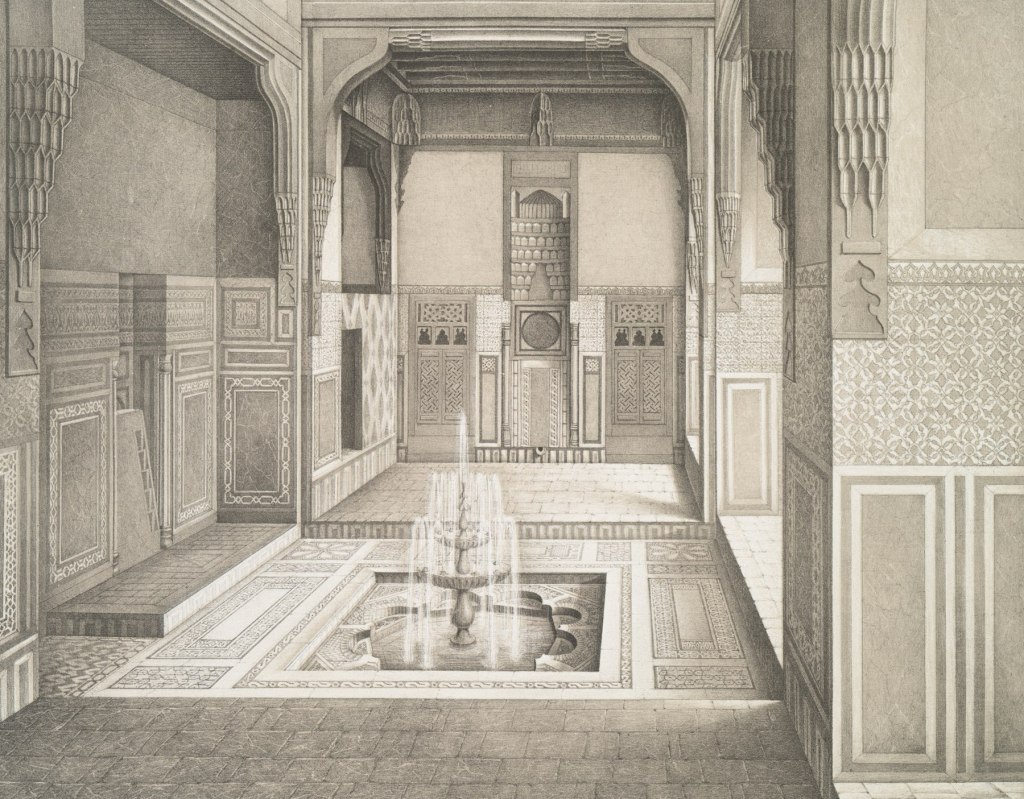
In Istanbul, Turkey, the hammam is less a bath than a slow, deliberate passage through warmth, steam and stillness. It is a ritual refined over centuries, and it remains one of the city’s most civilized pleasures. Nothing is rushed here, and nothing needs to be.
Step through the heavy door and the city falls away. The air thickens, sound softens to a murmur of running water, and time takes on a different grain. For the traveler who values atmosphere over spectacle, an afternoon in a historic hammam is among the most memorable hours Istanbul can offer.
The Sequence
The ritual begins in a warm antechamber, where you change into a soft cotton wrap and let the body settle. From there, you move into the main hall and rest on the göbek taşı, the heated marble navel stone at its center, while the steam gathers beneath the dome.
An attendant then works the kese, a textured mitt, across the skin in long, practiced strokes. A cloud of soap foam follows, rinsed away with warm water poured from a copper bowl. Afterwards, there is tea, served in the cooling room while you linger in a fresh wrap. Each stage has its own tempo, and the pleasure lies in surrendering to it. Copper bowls, linen towels and carved marble basins complete a setting that has changed little in spirit across generations.
The Architecture
The settings are part of the pleasure. Çemberlitaş Hamamı dates to 1584 and is attributed to the great architect Sinan, while Cağaloğlu Hamamı, completed in 1741, is among the last grand hammams built in the Ottoman capital. Both reward a moment of looking up: light falls through small star-shaped openings in the domes, and the marble glows softly in the vapor.
Near Hagia Sophia, the restored Hürrem Sultan Hamamı, also designed by Sinan, offers a quieter, more contemplative interpretation of the form. Here the proportions of the hall, the polished smoothness of the stone and the play of daylight reveal why Ottoman builders treated the bathhouse as a serious work of architecture, not merely a utility.
Etiquette and Private Sessions
Etiquette is gentle and intuitive. Keep your voice low, leave your phone behind, and wear the wrap provided. If anything is unclear, your attendant will guide you with quiet confidence. Arrive without an agenda, and the rhythm of the room will do the rest.
For a more intimate experience, ask about a private session. These are best arranged in advance, either directly with the hammam or through a hotel concierge, and an off-peak hour will bring a calmer atmosphere still. A private hour suits those who prefer the hall to themselves, with only the sound of water for company.
How to Go
Spring and autumn are the most agreeable seasons in Istanbul, when the days are mild and a warm hall feels especially welcome, though the hammam is a pleasure in any month. Book ahead for your chosen hour, ideally through your hotel concierge, and favor a morning or a late afternoon when the halls are at their stillest.
Allow a full half day, so that the visit unfolds at an easy pace, and consider pairing it with a quiet stroll through the old city beforehand. The hammam is wonderful alone, but equally rewarding with a partner or a close friend, provided you choose a setting that suits you both and respects its customs. Whatever the season or the company, bring nothing but patience, and allow the afternoon to unfold at its own pace.
The Last Cup
Leave time afterwards for the final gesture. With a glass of tea in hand and the city murmuring beyond the walls, the slow wash ends as it began: without hurry, and entirely on your own terms.

