
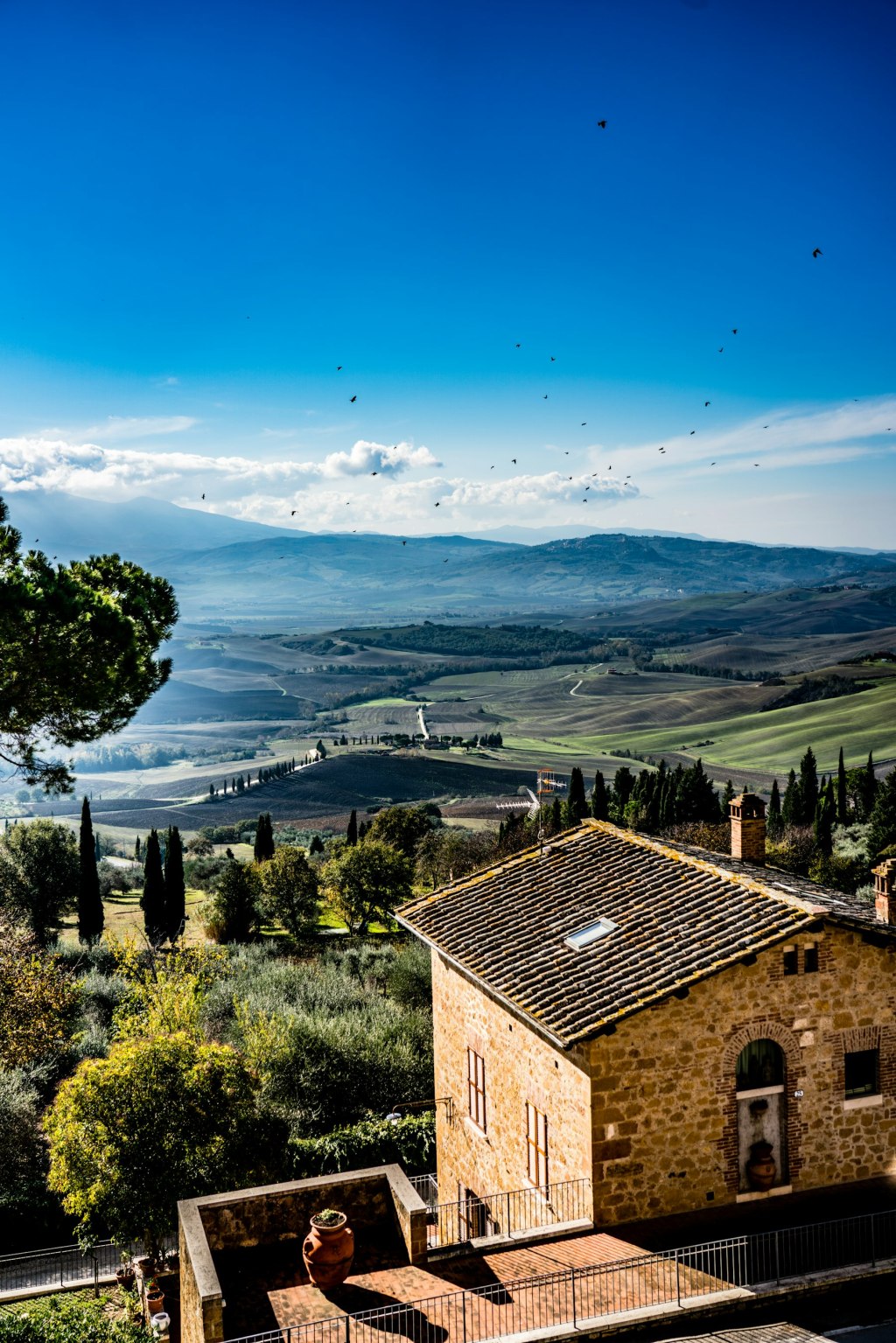
Italy does not need to reinvent itself to remain the most compelling dining country in the world. Its great tables are quiet, regional and fiercely particular, shaped by a single landscape, a handful of ingredients and generations of people who have never felt the need to explain themselves.
Two small cities in the north show the idea at its finest: Modena and Alba. One is a place of vinegar lofts, porticoes and patient craft; the other a town of misted hills, cellars and an autumn perfume that settles over everything. Together they offer a portrait of Italian taste at its most considered, and an itinerary best taken slowly, with appetite and a little restraint.
Modena: the dining room as a gallery
Osteria Francescana, the three-star room of chef Massimo Bottura, has long treated Emilian tradition as a living language rather than a museum piece. Tortellini, parmigiano and aged balsamic arrive reimagined, often with a story attached, so that a dish becomes a small conversation about memory, place and the kitchens of childhood.
The room itself is intimate and the pacing unhurried, closer to an evening in a private gallery than a conventional dinner. Book well ahead and allow the whole night.
The acetaia: a lesson in patience
For the context behind the plate, visit a family acetaia nearby. These attic lofts are lined with rows of small wooden barrels, each of a different size and timber, where the vinegar rests and slowly concentrates through the seasons. The air is warm, sweet and faintly woody, and the families who tend the casks speak of them almost as relatives.
Traditional balsamic vinegar of Modena is aged for a minimum of twelve years, and tasting a spoonful from the barrel loft is the quickest education in Italian patience. Take it as it is meant to be taken: a few drops, on a spoon, with time to consider.
Alba: truffle season, properly done
From autumn into early winter, the Langhe hills fill with the scent of white truffle. Mist gathers in the valleys at dawn, the vineyards turn to amber and the whole town seems to lean toward the table. It is the most atmospheric moment of the Piedmont year, and the most rewarding time to arrive.
Piazza Duomo, chef Enrico Crippa’s three-star dining room in the town centre, is the grand address, with a garden-led menu that lets the season speak. The cooking is precise and quietly poetic, and the setting is graceful rather than grandiose. Reserve early and plan the rest of the day around it.
In the woods with a trifolau
For a slower afternoon, spend a morning with a trifolau and his dog in the woods. The hunt is a patient, almost secretive ritual, led by an animal with an extraordinary nose and a handler who guards his favourite ground with great discretion.
Then lunch at a country trattoria, where the shaved truffle meets nothing more than egg pasta and butter. The simplicity is deliberate. With so little on the plate, the aroma does all the work, and a glass of Barolo or Barbaresco from the surrounding hills completes the picture.
How to go
Pair the two cities in a single week, with a private driver between them and a stay in a restored villa or small hotel among the vineyards. Autumn is the natural season, since the truffle is at its peak and the light across the hills is soft and golden, though Modena is a pleasure in spring as well. Allow three nights in each place at least, so that neither city feels like an errand.
Reserve the headline tables months ahead, ideally through a trusted concierge or a specialist travel adviser who knows the owners by name. This is a journey for couples, close friends or a small family of grown-up appetites, and it rewards unhurried company. Keep one lunch free for whatever your host insists you must not miss. In Italy, that is usually the best meal of the trip.
Italy’s quiet temples of taste ask for very little: time, curiosity and a willingness to let the table set the pace. Give them that, and they return the favour for years.


Leave a Reply